BBC Assembling 'A Passage to India' TV Series

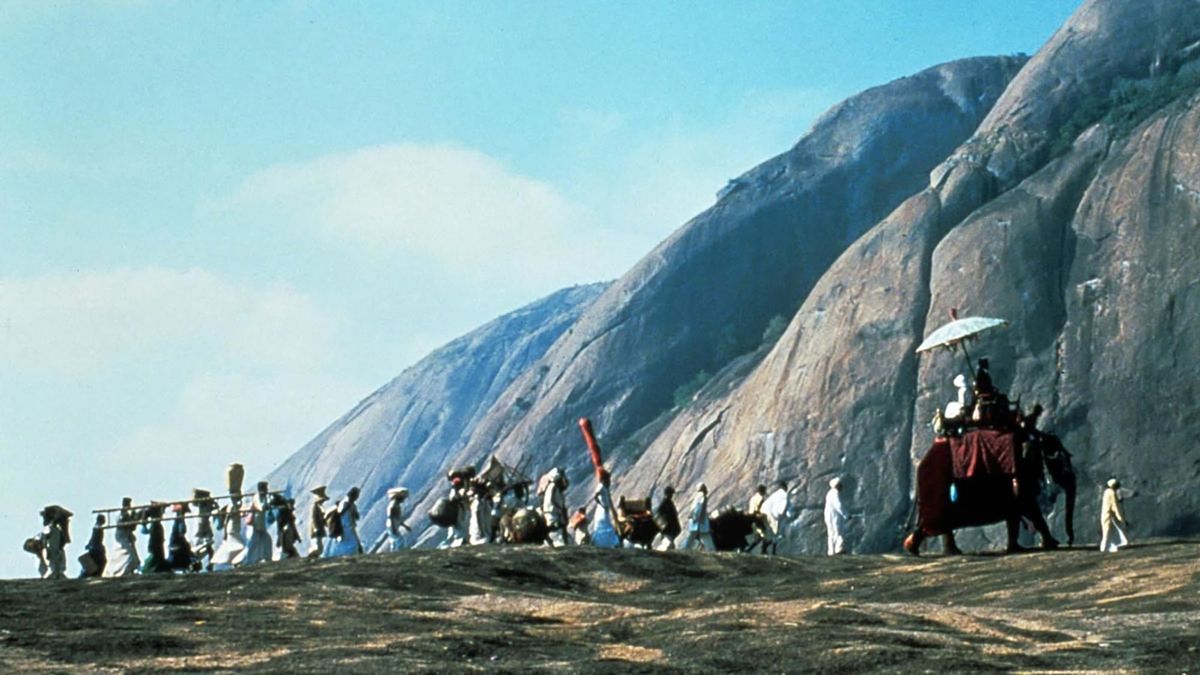
E.M. Forster's novels are quintessential British stories of the 20th century; his A Room with a View and Howards End have been staples of British culture, and the film adaptations defined the Merchant-Ivory style, characterized by soft focus and repressed romance. However, his third major work, A Passage to India, has not received the same level of attention. Aside from a 1960s-era stage play and a single film version released in 1984 by the still-nascent HBO, the novel has been left on the shelf. However, with the novel marking 100 years in print, the BBC has partnered with Working Title to produce the first-ever TV series based on Forster's masterwork.
Based on Forster's experience as a British man in India, the novel takes its name from Walt Whitman's 1870 poem. Like most stories that are parables about the English occupation of South Asia, it begins with sexual assault, as an English lady accuses a local doctor of attempted rape. (It is unclear if she is aware that her accusations are false.) The novel traces the run-up to the trial and the aftermath, delving into the complex racial tensions and social mores of both the occupiers and the occupied.
The 1984 adaptation was the final film directed by David Lean, best known for Brief Encounter, The Bridge on the River Kwai, and Lawrence of Arabia. It was nominated for 10 Academy Awards, winning two, including Best Supporting Actress for Peggy Ashcroft.