Classics Revisited: 'Caligula: The Ultimate Cut' Redeems the Infamous Cult Film

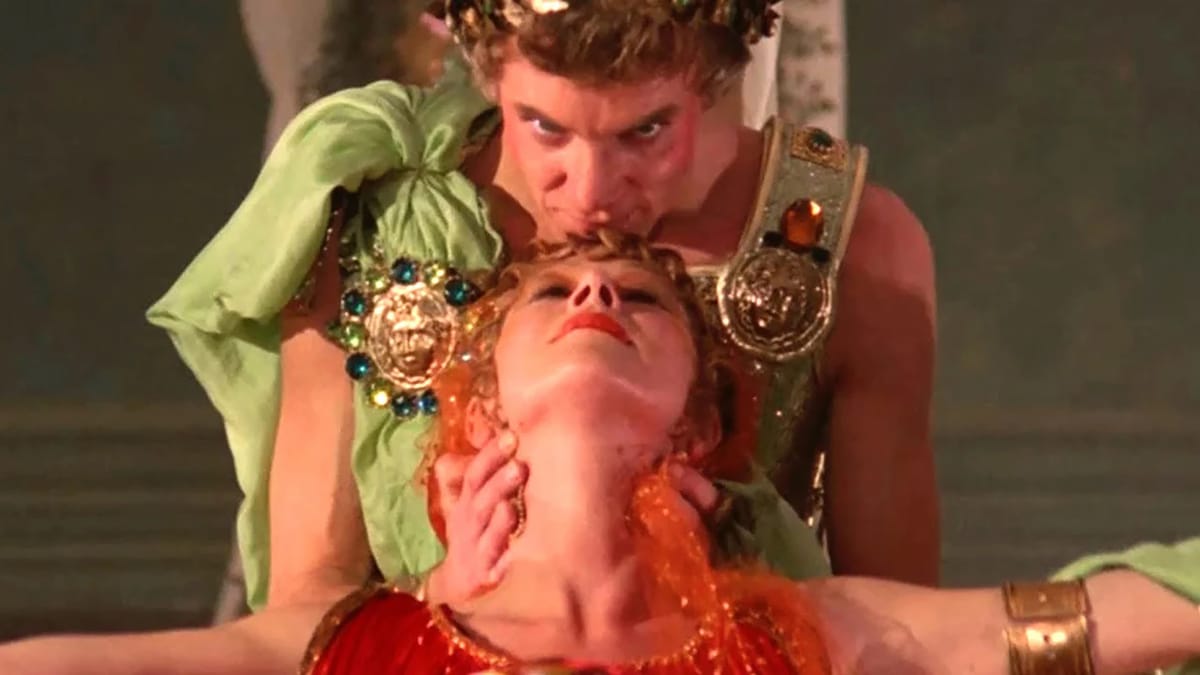
The amount of time between Caligula’s original 1976 shoot and an uncompromised version of the filmmakers’ original vision reaching audiences in the form of Caligula: The Ultimate Cut is 48 years. This is nearly double the lifetime of the corrupt and maniacal Roman emperor at the film's center. (Roman tyrants typically didn’t live very long but still tried to make a significant impact.) In the tradition of his other psychotic performances like If… and A Clockwork Orange, Malcolm McDowell plays the despotic, incestuous, and profoundly insecure emperor, with Helen Mirren appearing as his wife Caesonia, Teresa Ann Savoy as his favorite sister Drusilla, and Peter O’Toole as his aging predecessor Tiberius.
Caligula was famous for pushing the emperor’s power towards full-on autocracy, planning failed invasions, and having a historically contested appetite for sex and vice. He’s the guy who made his horse a consul, which either indicates he was insane or incredibly funny. It may be Caligula’s enduring legacy that the production, release, and reputation of his big-screen biopic were laden with a toxic mixture of infighting, jet-black irony, and unmitigated chaos.
One of the most expensive independent productions of its time, Caligula was a collaboration between Italian filmmaker Tinto Brass and American satirist Gore Vidal (who both hated each other by the start of principal photography). However, after Penthouse Magazine financier Bob Guccione hired pornographer Giancarlo Lui to shoot and insert many unsimulated sex scenes into the edit (by this point, Brass had been shut out of the editing room), the original director disavowed the project.