'The Convert's Historical Drama Fails to Center Its People

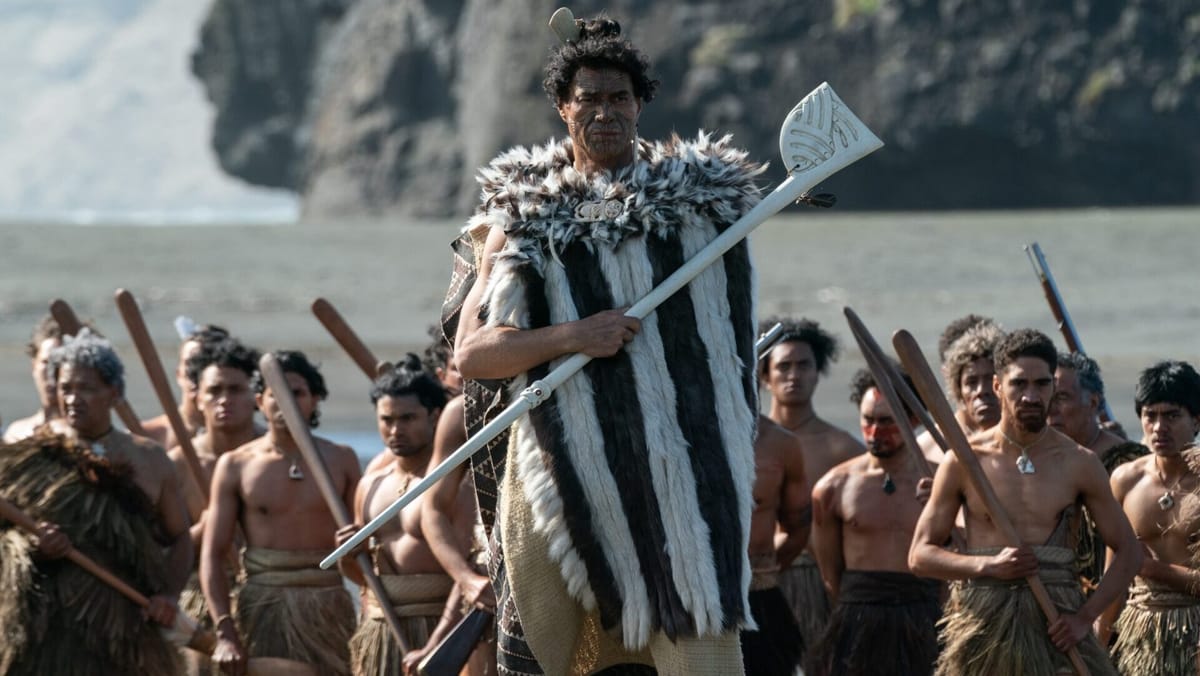
A pre-colonial expansion through tribal Māori land becomes a personal crisis for an English lay preacher setting up a diocese in a small settlement in The Convert, a robust but unsophisticated historical drama set in 1830 Aotearoa (the Māori name for New Zealand). The film, directed by acclaimed Kiwi director Lee Tamahori (Once Were Warriors), shows a lot of the right instincts about depicting the years before Māori tribes were upturned by settler violence but gets stuck in the usual traps of fiction about Indigenous history from a white perspective: the personal strife of the conflicted colonist takes a more central position than Indigenous drama.
Even when the feuding Māori tribes, whose divisions are worsened with the introduction of Western weaponry and religion, lead whole sequences of the story, every cut back to preacher Thomas Munro (Guy Pearce) spectating thorny history unfold feels like a misstep, as our attention is directed towards wondering how it affects his spiritual and moral journey.
Similar to other New Zealand historical fiction, like Jane Campion’s Oscar-winning The Piano, there’s compelling material in Britain's underclass going from alienation by the empire towards sincere assimilation with Māori people, but Tamahori’s film lacks the poetry and sharpness of Campion’s, and pales in comparison to other works about the historical intersections of the spiritual and the colonial, like Terence Mallick’s The New World or Martin Scorsese’s Silence.