
'Doctor Who' Rolls into a New Era of Disability Representation

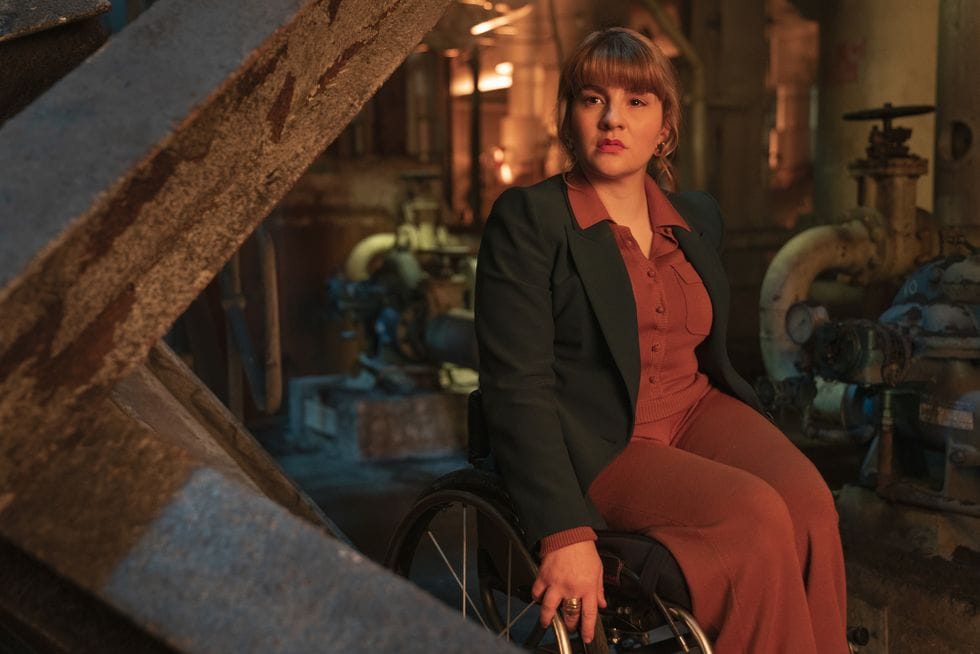
Doctor Who’s 60th anniversary celebrations have come and gone, with the three anniversary episodes shaking up the show’s canon and leaving the door wide open for a brand-new era of the Whoniverse. Returning showrunner Russell T. Davies is back in full force with a clear goal of righting past wrongs and moving the show into the future. In just three episodes, he has attempted to remedy Donna Noble’s lack of agency, address the racist origins of the classic villain the Toymaker, and prove definitively that trans kids can save the world. Perhaps the most unexpected stop on the Davies redemption tour is a topic that has been long overlooked: disability representation.
The show has taken small steps towards more disability inclusion in recent years, with a handful of disabled guest stars playing disabled characters, like Cas (Sophie Stone) in "Under the Lake” and “Before the Flood,” Erica (Rachel Denning) in "The Pyramid at the End of the World,” and Diane (Nadia Albina) in “Flux.” In the new era of Doctor Who, Davies has made it abundantly clear that disability belongs in the Whoniverse.
Davies’ first move towards disability representation came before the specials even began, when David Tennant’s Fourteenth Doctor was introduced in a minisode for the Children in Need telethon alongside recurring villain Davros (Julian Bleach). Davros, however, has had a bit of a makeover.