Mendes' Ineffective 'Empire of Light' Fails Its Audience

We’re currently experiencing a deluge of filmmakers reflecting on personal stories of their pasts and the ways cinema forged their future. It’s likely pandemic-related; lockdown offered a lot more chance for reflection on family, while the future of cinemas was a little less clear. This year’s Oscars proved such stories are received warmly by audiences and award bodies, and after Kenneth Branagh’s Best Screenplay win for Belfast, studios have been given the greenlight for intense FYC campaigns for the three coming out this year. Hopefully, after the cloyingness of Belfast and now the completely inept Empire of Light from acclaimed filmmaker Sam Mendes, it’s not confirmed if any of these films will be good.
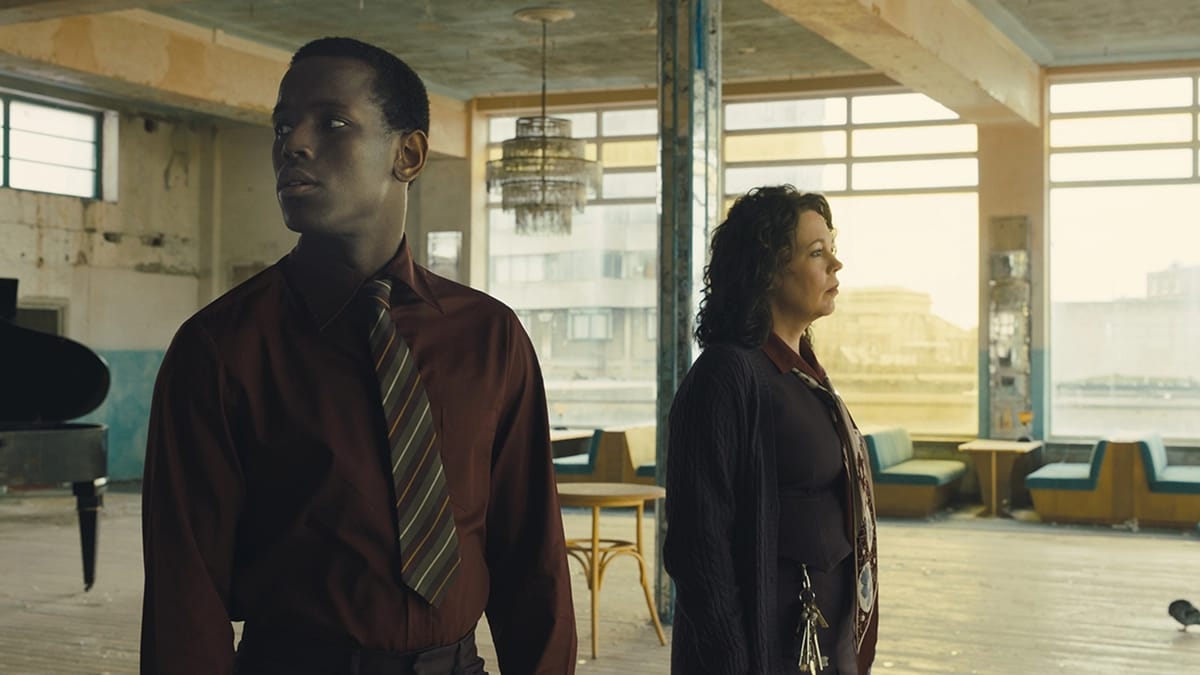
Set in the seaside Sussex town of Hastings, Empire of Light concerns itself with three narrative strands; the day-to-day runnings of a Art Deco style cinema across the first couple years of the 80s (cue “the magic of cinema” beats), the psychological unwinding of its mentally ill duty manager (the most personal part of the film, with Mendes basing this on his mother’s experiences), and the rise of fascism and racism seen through a young, Black worker at the cinema (Mendes developed this aspect of the script alongside actor Michael Ward).
While Mendes’ film stands out for not focusing on a filmmaker-surrogate child character à la Belfast, Armageddon Time, or The Fabelmans, knowing how personally-tinged the material in Empire of Light conflicts with how distanced the film feels to all the issues it explores, rendering them inauthentic and manipulative.