Jodie Comer's Riveting Performance is the Highlight of COVID Drama 'Help'

It's hard to know whether it's too soon for a drama like Help to exist. With the latest wave of yet another coronavirus variant circling the globe at rapid speed, I'm not sure that any of us are feeling particularly eager to watch a film about the unique horrors of the pandemic's earliest, most brutal days right now. Yet, attention must be paid and the drama's unflinching honesty about its nightmare subject matter is not only worth watching but may well leave many of us feeling guilty about our performative need to clap for health care workers two years ago without providing them any sort of tangible help.
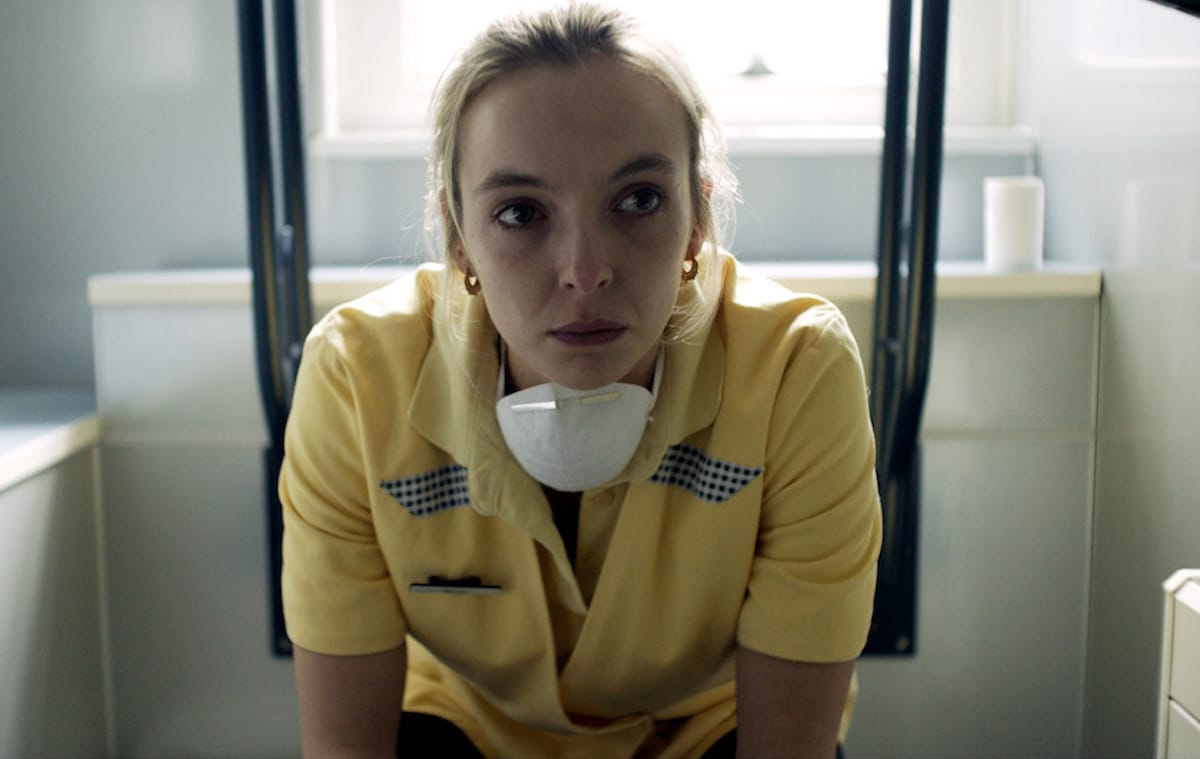
The film follows the story of Sarah (Jodie Comer), a formerly troublesome and aimless young woman who has come to her calling of caregiving by what one might charitably call the long way round. Yet, despite the fact that she's only just started her career at the Bright Sky home, she's clearly found a vocation. She doesn't mind the long hours or the hard work and has an obvious gift for building a rapport with the patients in her care, particularly the sweet, kind-hearted Tony (Stephen Graham), a fortysomething man with young-onset Alzheimer's who likes to wander off the campus when he forgets himself.
Their offbeat, genuine bond is sweet and charming enough to power an entire feature-length drama on its own, instead, it's used as the emotional anchor that centers the rest of the film as a series of steadily compounding problems--lack of supplies, understaffing, the general societal disinterest in patients like these left in places like this--combine to create a worst-case scenario that surely could have been avoided had anyone with the power to change things actually listened to the people on the ground doing the caring.