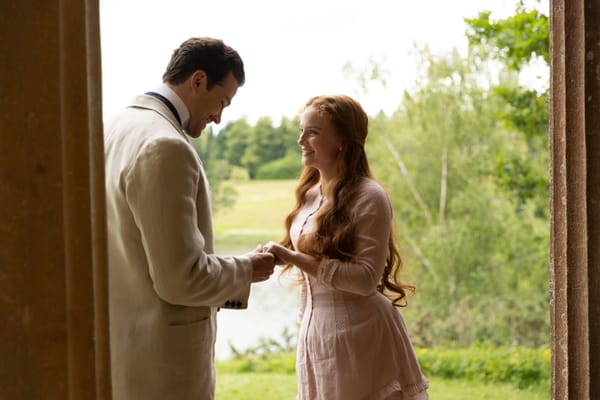
Our First Look at 'Miss Austen' Puts the Story of the Author Herself Center Stage

Jane Austen adaptations are a staple in the life of any Anglophile and, as such, we're rarely hurting for the chance to see the author's stories of love and manners depicted onscreen in some form or other. But as the world gears up to celebrate Austen's 250th birthday next year, we can expect to hear about more upcoming content related to her and her work than usual.
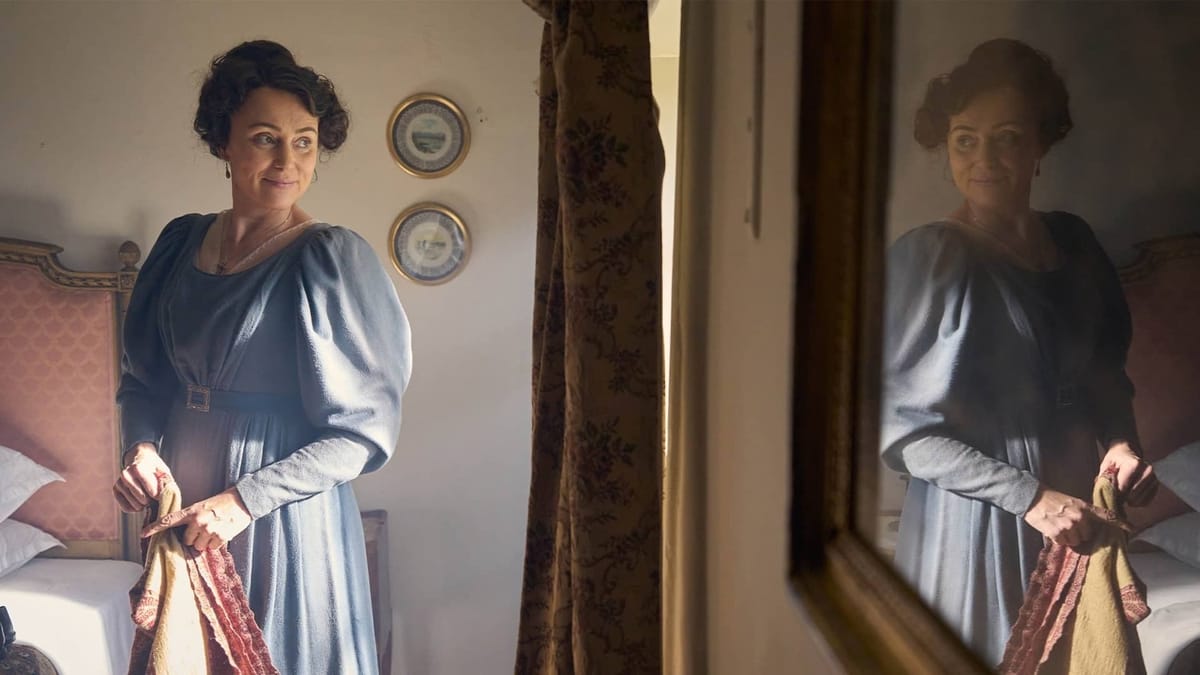
Having only just wrapped up its adaptation of Austen's final novel Sandition last year, PBS's Masterpiece is taking a slightly different tack, prepping the release of a period drama that centers the life of the author herself rather than her famous characters. Based on Gil Hornby's best-selling novel of the same name, Miss Austen is a dramatization of a real-life literary mystery that has both troubled and fascinated academics and fans for centuries: Why did Cassandra Austen burn a large collection of letters written by her sister Jane following her death?
The generally accepted wisdom is that Cassandra felt responsible for managing her sister's legacy and acted to protect Jane's reputation by preventing potentially private or embarrassing details from being revealed to the public. What those details were and whether Jane would have approved of her sister's actions are questions whose answers are now lost to time. But while many blamed Cassandra for how she handled Jane's estate after her death, she's the primary reason we know so much about her sister and her life, a fact that Miss Austen seems rather determined to celebrate.