Luca Guadagnino's 'Queer' Is Too Distracted to Make Its Point

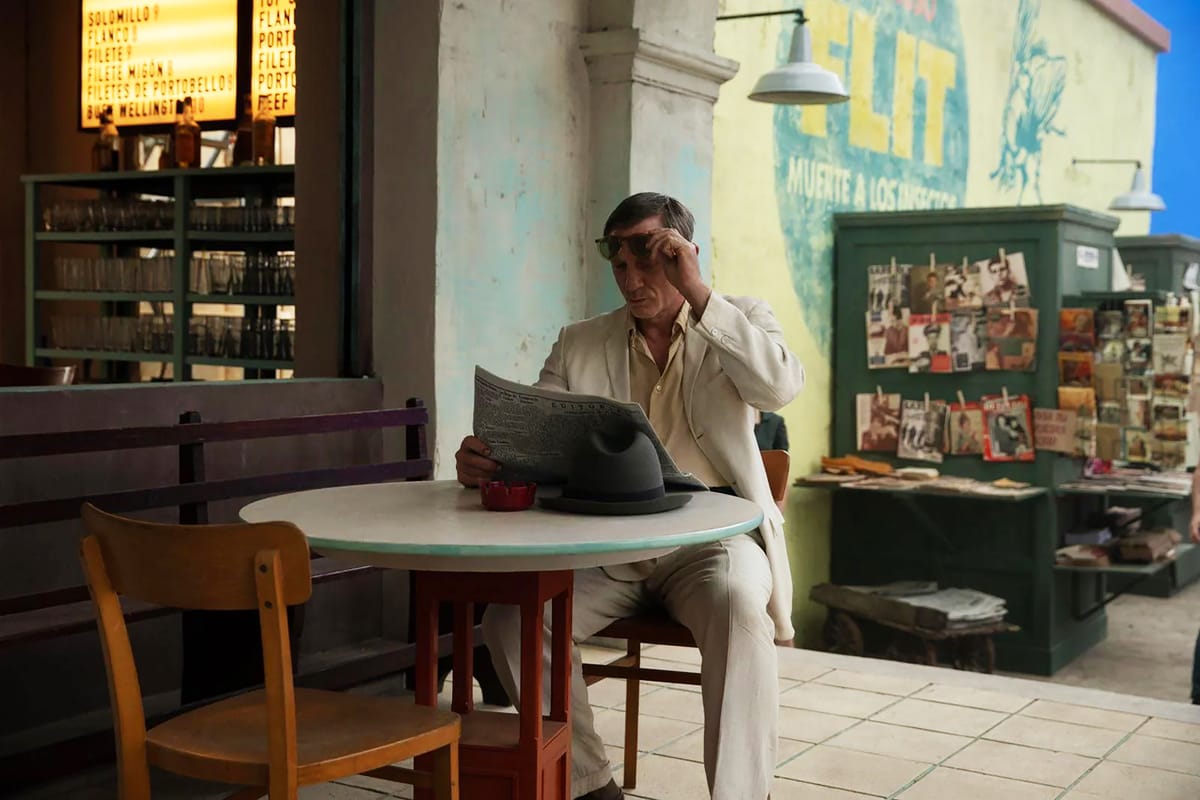
Luca Guadagnino isn't Spielberg-level famous, but cinephiles know the Call Me By Your Name director and his melancholic pathos. Guadagnino shook things up in 2024 with Challengers, ditching his signature fuzzy European landscapes for sharp volleys on a tennis court, splitting his fan base into two camps (pro- and anti-), and I fell into the latter. (I'd had qualms with the peach scene and the pacing of Call Me By Your Name that even Timothée Chalamet's career-defining fireside cry couldn't overcome.) I was ultra-aware of this bias when watching Guadagnino's film Queer, a somewhat return to form, so the reader should be aware of it before deciding if my opinion on Queer is one you want to listen to.
The film is based on William S. Burroughs's semi-autobiographical 1985 novella of the same name. Guadagigno reunited with Challengers scribe Justin Kuritzkes, who penned the screenplay. Daniel Craig leads the fantasia as William Lee, an independently wealthy expat living out his middle age trying to find love with college students and former GIs in 1950s Mexico. Lee is drowning in sour bourbon and heroin until he meets Eugene Allerton (Drew Starkey), who is at first a tantalizing enigma before transforming into the object of all of Lee's unexpressed desires.
Like most Guadagnino films, the plot is secondary to the vibes. In Queer, the plot doesn't seem to be on the priority list at all. That seems fine in the film's first half, as it explores the depths of Lee's loneliness at this point in his life. He still lives in a time when being openly gay could lead to you being killed, though the threat doesn't seem as oppressive in Mexico City as it would be in 1950s America. Still, Lee has to be careful who he shares his affection with, and he's spending the majority of his nights paying for hook-ups rather than finding a meaningful connection.