Genre & Era Matters in ‘A Woman of Substance’
Our deep dive into why the 1980s version of 'A Woman of Substance' is still so beloved, while the 2026 television adaptation struggles to charm.

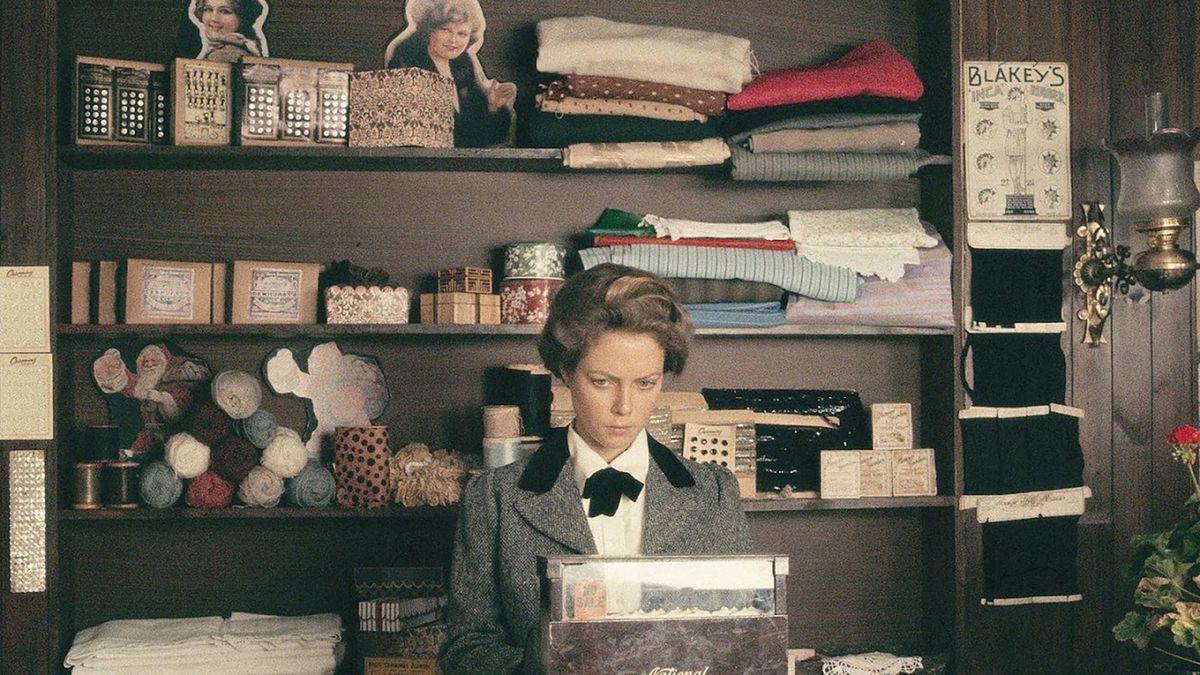
The 1980s adaptation of Barbara Bradford’s A Woman of Substance improves on the novel significantly, making it more suggestive, more subtle, more opaque, and more evocative. Taken together, these two Yorkshire-rooted works might seem a valuable, subtle dissent from much of the cant of post-World War II, caste-ridden British culture.
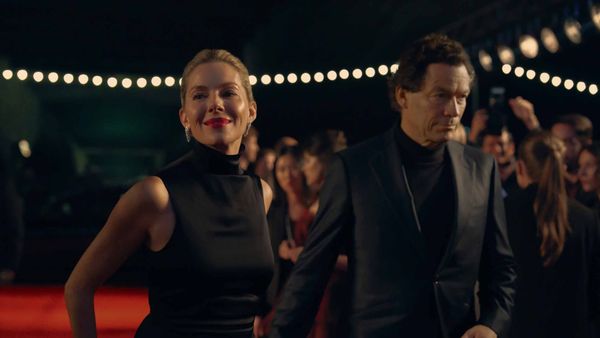
In comparison, the 2026 adaptation debases and renders increasingly unbelievable its fast-paced, self-parodic presentation of world-city luxury, glamor, and sex. As the 2026 series proceeds, it emphasizes the reductive explanations for the behavior Bradford’s characters insist upon. The 2026 lens dramatizes the best-selling, continually popular book’s worst norms as inevitable or even admirable, defining and limiting what the contemporary mass audience might make of them.
In other words, the 2026 film makes the stigma this genre has not rid itself of deserved and its proto-feminist book source useless or irrelevant except as a well-acted time-killer, another absorbing soap opera. Both are of the “faithful heritage” variety, and dramatize mostly the same incidents. But the 1980s-era adaptation received not just rave reviews, but was written and discussed with such affectionate enthusiasm that the viewing audience became enormous for the time. It was remembered nostalgically for decades afterward (a DVD is in print), and is arguably the motive for the remake far more than the original novel.