The ‘Downton Abbey’ Series Premiere Takes Us Back to Empire
'Downton Abbey' Season 1 is far sharper than you remember.

When Downton Abbey originally premiered on PBS fifteen years ago – and, no, that’s not a typo, I checked — none of us, including the folks involved in the production, could have possibly predicted the phenomenon it would become. If that wasn’t obvious enough in hindsight, look at how oddly scheduled this first season was in America, where six episodes were combined into four super-sized, oddly edited together installments. Put bluntly, that’s not the move of a network that thinks it has a generational hit on its hands.
Everyone initially assumed that Downton would turn out to be exactly what it looks like, a beautifully put-together period piece with a distinct Gosford Park vibe. That it ultimately became much more than that is the stuff of television legend by now, but back then — and even watching this premiere once again — it feels like a different beast altogether.
The show’s monster success ultimately filed down some of Downton’s original sharp edges, as creator Julian Fellowes toned down some of the show’s more esoteric class debates. (Raise your hand if you still remember entirely too much about the concept of an entail.) It also softened almost all of his lead characters to some degree.
(No matter how much you remember hating Mary Crawley at some point, I promise you don’t remember how much you hated Season 1 Mary Crawley.)
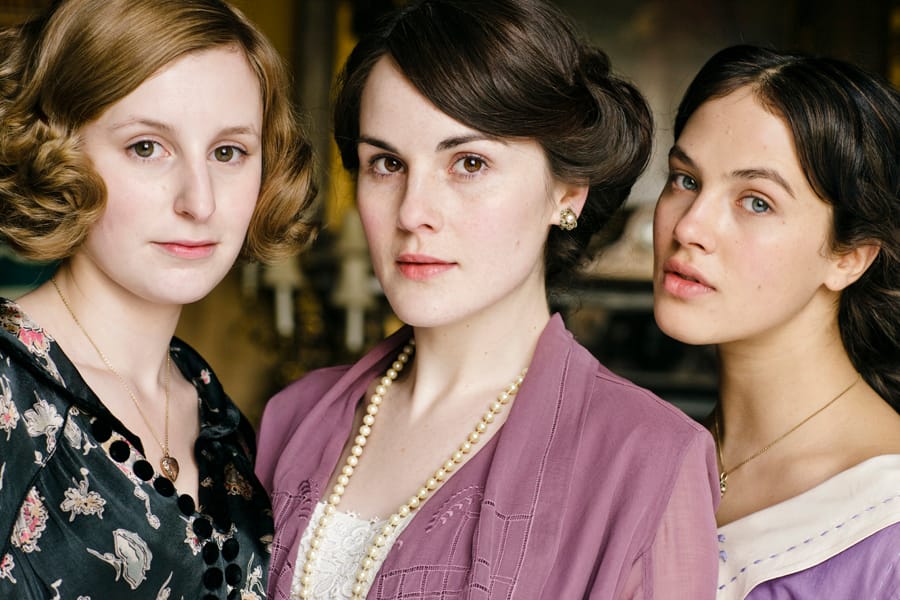
The show opens with the sinking of the Titanic, an event that irrevocably changes the fortunes of the Crawley family. Lord Robert’s cousin James, presumptive heir to the Earldom, dies on board. His son, Patrick, who is next in line after his father and loosely engaged to Robert’s daughter Mary, is also lost at sea.
This is all very tragic on its face, of course, but doubly so because of the specific way in which the family estate is structured. Downton is entailed, a legal restriction that means both the estate and Lady Cora’s fortune — which we’re given to understand was quite substantial upon her marriage to Robert — can only pass to a male heir. (Sorry to the three Grantham daughters!) Marrying Mary off to the younger heir was supposed to be a neat way of keeping it all in the family, as countless folks like the Granthams have done since time immemorial.
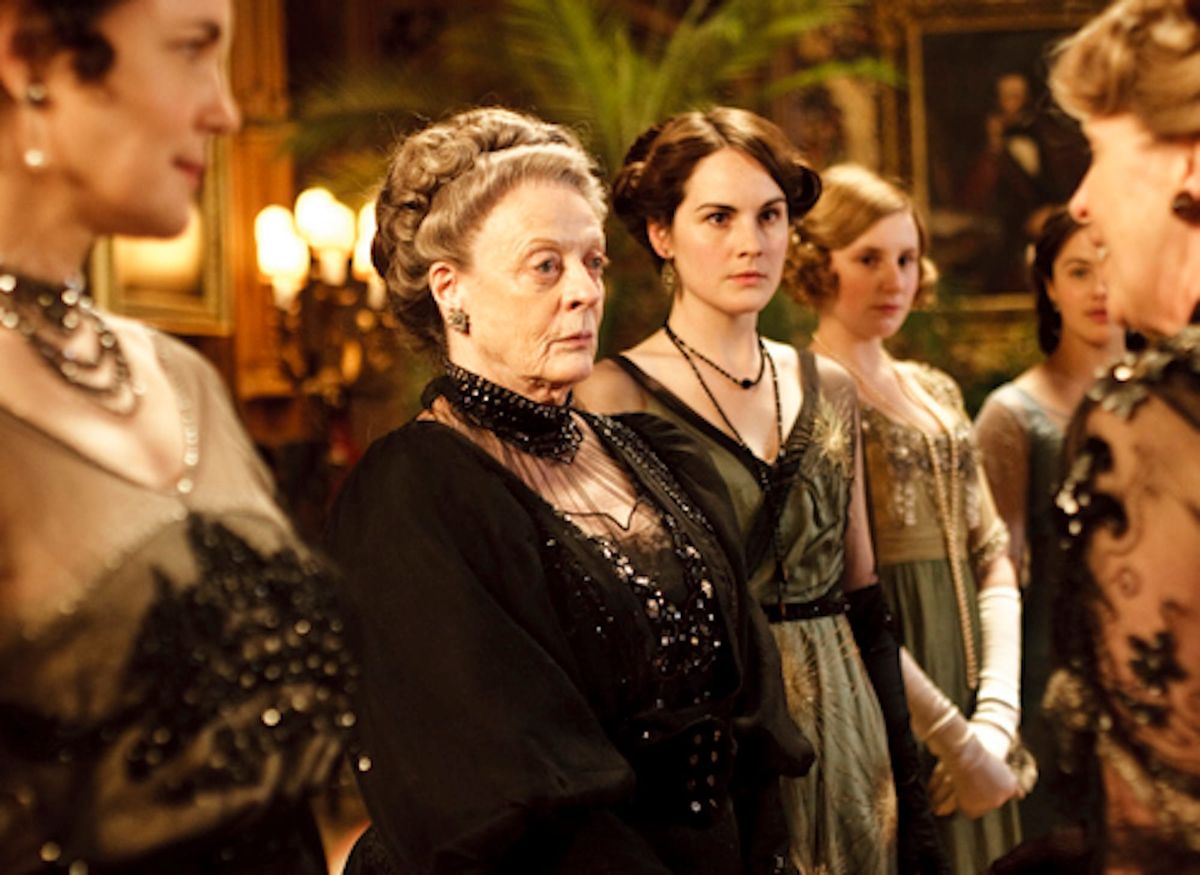
Mary’s obnoxiously relieved because she didn’t actually like Patrick all that much. Edith’s sad because... Edith seems genetically programmed to oppose Mary in all things. (I promise most of you have also forgotten what an incredible pill Season 1 Edith was!) Youngest daughter, Sybil, is... also present! The Dowager Countess Violet is pissed, utterly incandescent at the prospect of the estate she’s spent her life lording over passing to some third-tier random she’s never met.
In a rare display of proto-feminism, she’s even willing to join forces with the daughter-in-law she doesn’t like all that much in the name of smashing the entail to allow Mary to at least keep her mother’s money.
Many things about Downton’s first season feel wildly different than those that came afterward. The characters have less interiority than we’re used to, their relationships are all pricklier, and the divides both between and among the staff and the family are much more firmly drawn. Rightly or wrongly, when we consider Downton the series now, we think a lot about the show’s upstairs/downstairs dynamic.
Fellowes, as a storyteller, is obsessed with the idea that there’s not just a symbiotic relationship between the shows’ elites and the staff who serve them, but a kind of open affection. Most of the downstairs squad, in seasons to come, openly love their lives in service. They’re happy to work for such a distinguished family — many, like Carson, even consider it an honor to do so – and have few complaints about the restrictions (financial, social, or otherwise) that their status places on their lives and personal ambitions.
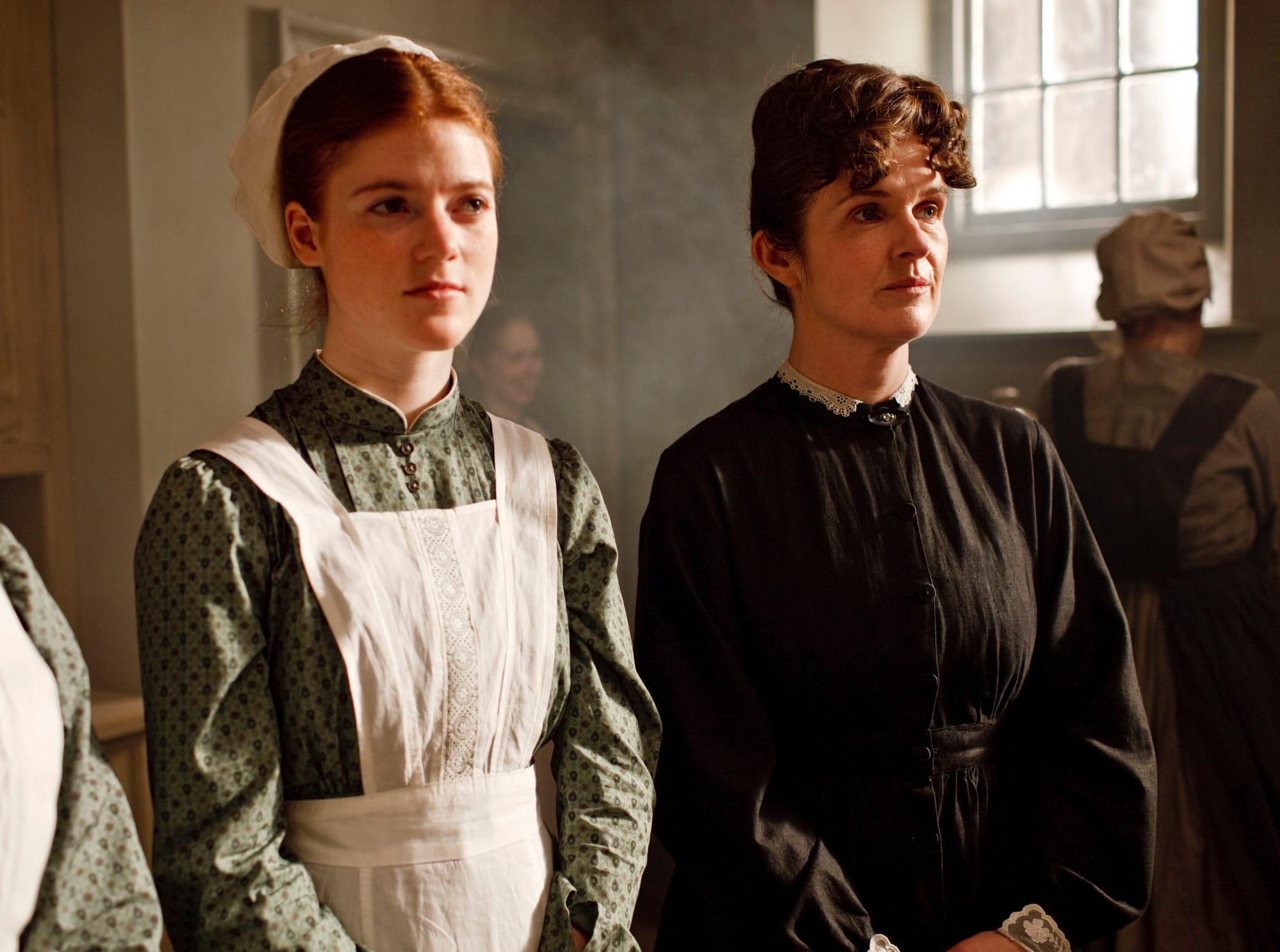
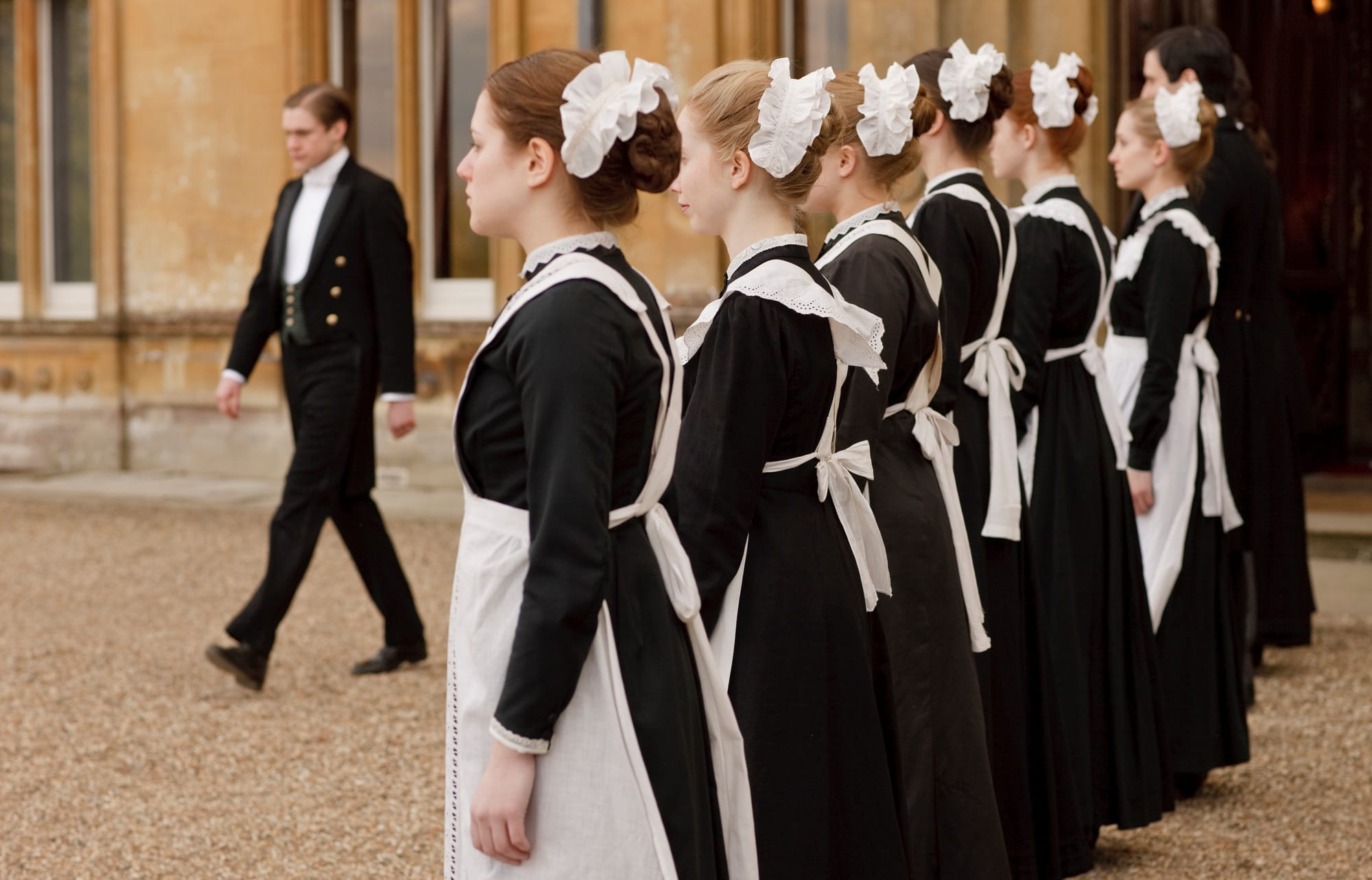
But that’s absolutely not the case in the show’s first season. The series premiere firmly establishes two very different spheres within the show. Downstairs, elaborate scheming and petty jealousies are common among the various members of the staff, who jockey for position, sabotage each other, and cover up mistakes, all without their employers ever being any the wiser.
In fact, outside of Carson, who would take a bullet for Lord Grantham or Lady Violet with little to no provocation, the rest of the downstairs gang seems relatively blase about the Granthams in general. It’s why it’s so strange when the new valet, John Bates, arrives, who has a preexisting and almost shockingly personal relationship with Robert, a blurring of the established lines that will only get messier when the extremely middle-class new heir, a third cousin named Matthew Crawley, shows up.
The introduction of Matthew Crawley is actually fairly non-eventful. He’s handsome enough, a middle-class lawyer and momma’s boy who’s surprisingly uninterested in the fact that he’s now suddenly heir to a title and a massive fortune.
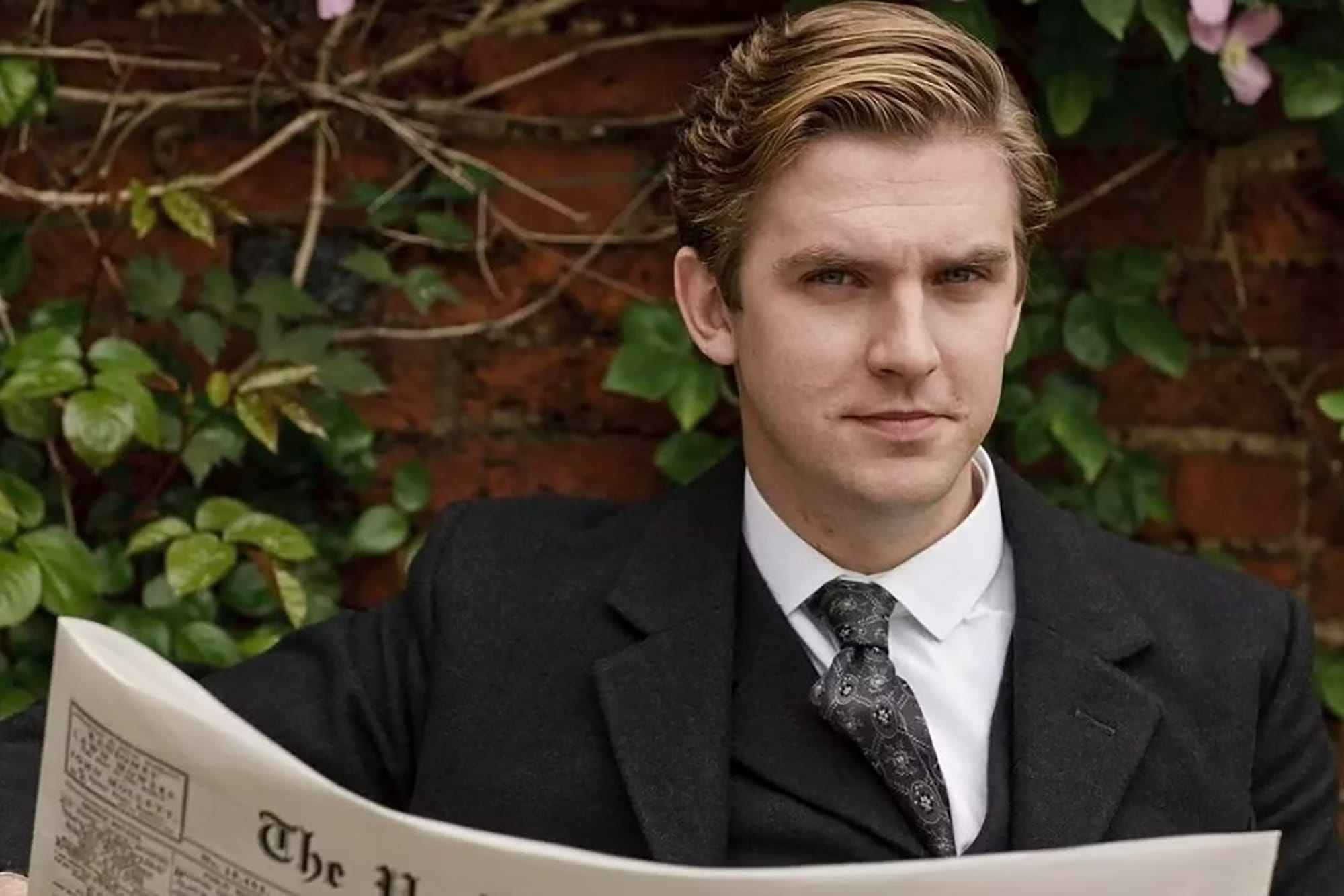
He’s also surprisingly resistant to all the things that come along with this rapid change in status. He wants to keep working, is awkward around the servants, and keeps putting his foot in it whenever he’s in Mary’s presence. As awkward meet-cutes go, you can’t beat it (Reader, I still shipped them instantly), and it’s going to be such fun watching this relationship unfold all over again.
It’s easy, particularly given some of the more divisive choices Fellowes made in later seasons (some of which, to be fair, were driven by forces outside his control), to forget how note-perfect this first outing truly was. But it’s the rare first season that actually seems to get better with age. Long live the Crawleys.
Downton Abbey Seasons 1 through 3 are re-airing this summer through mid-September 2026 at 10 p.m. ET on most local stations and the PBS app. All six seasons are available to binge on PBS Passport for members and on the PBS Masterpiece Prime Video Channel.


Sign up for full access to Telly Visions' recaps and reviews!