‘Gone’ Is a Timely Reminder of the Terrors Women Face
'Gone's white-knuckle terror comes from the vivid honesty within.

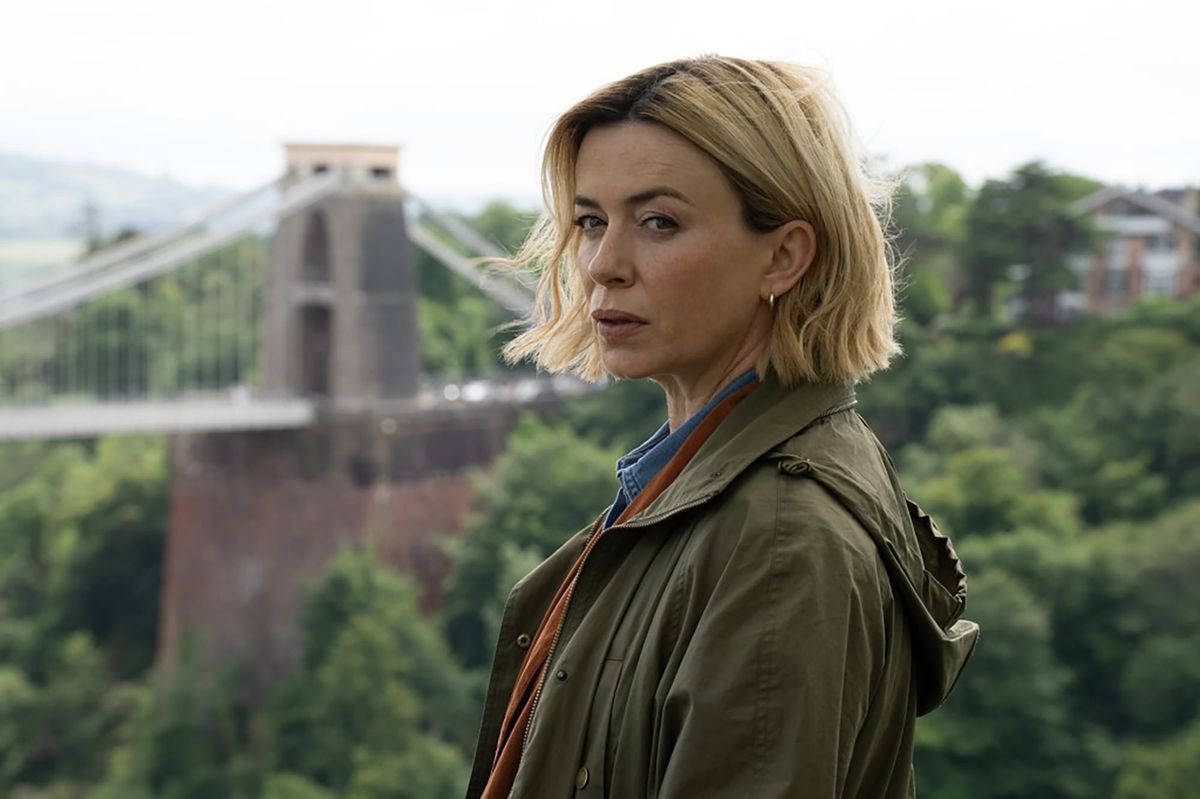
The leading detectives of British police procedurals are rarely good role models for a well-balanced life. Obsessive, obnoxious, and usually in desperate need of therapy, most of these figures spend their lives focused on the wrongdoings of others because it’s easier than dealing with their own emotional inner lives. Even so, these detectives are rarely shown making life choices that audiences would judge them for. Drinking, light drug use, and one-night stands are fine; viewers love a functional addict for an anti-hero. But choices that portray a certain type of emotional weakness — especially when the detective is a woman — that’s never in the cards.
The stories we don’t traditionally tell are at the heart of what makes Gone different than other police procedurals that have crossed the pond (or been made at home) in the past few years. The setup looks the same: a wife, Sarah (Hollie Bailey), disappears. The husband, Michael (David Morrissey), is the chief suspect. And the investigator, DS Annie Cassidy (Eve Myles), worms their way into said husband’s psyche to break open the case, either finding him guilty or discovering the real killer was the person just out of frame the whole time.
However, director George Kay (Hijack) doesn’t bring us the traditional cat-and-mouse chase, instead digging into the emotional horrors of home. Gone premieres with three episodes out of six, a surprising choice for BritBox, which tends either to drop all at once or straight weekly, none of this confusing in-between stuff. However, you do need to see all three to properly understand the stakes of what you’ve signed on for.