Everything to Remember Ahead of PBS's 'Call The Midwife' Season 12

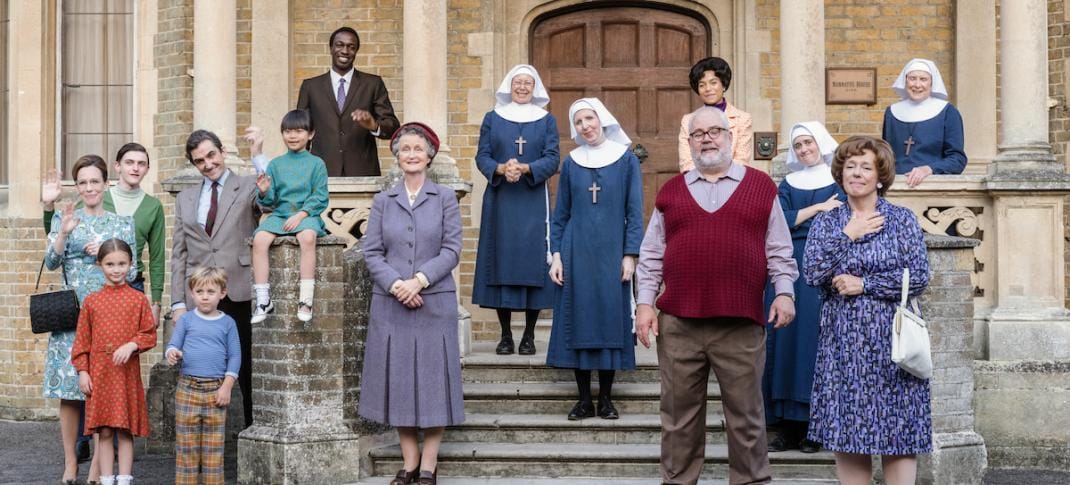
Season 11 of Call The Midwife packed a lot into its eight episodes. Set in 1967, the year Nonnatus House celebrated its centenary, profound cultural changes took place in the neighborhood of Poplar and all over the world. Nonnatus House’s world is close to ours, despite advances in medicine and cultural change, celebrating women’s skill, kindness, and courage. For all the joy in the series, we are also reminded of the tragic consequences of inadequate medical care, bad decisions, and poverty, issues still with us now.
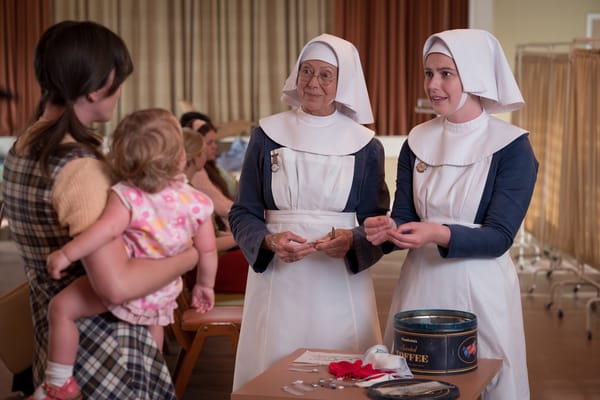
But the real miracle of Call The Midwife is that it never preaches, judges, or indulges in excessive sentimentality, although many of us keep the tissues handy when watching. Characters came and went in this season, ending up with significantly fewer midwives and nuns in residence, although Sister Monica Joan continued to prove herself immortally eccentric. And Season 11 ended on a distinctly unusual note, with a tragedy no one saw coming, and which threatened the survival of some of our favorite characters. It wasn’t until the Christmas special that normality picked up again.
There was tremendous excitement in 1967 with the Eurovision Song Contest, and Nonnatus House’s inhabitants, like everyone else who could, gathered around the television to see Britain’s own Sandie Shaw win with “Puppet on a String.” Following an adorable Easter celebration, Sister Hilda (Felicity Woolgar) was all set to organize Nonnatus House’s centennial celebration. Wisely and with her usual tact, Sister Julienne (Jenny Agutter), following some health problems, decided that Nurse Shelagh Turner (Laura Main) should be in charge.