‘The Other Bennet Sister' Is a Witty, Visual Feast
"If you’re not the beautiful one, the quick-witted one, or the one who is good at games and full of youthful energy then who are you? What can you do if you’re the odd one out?"

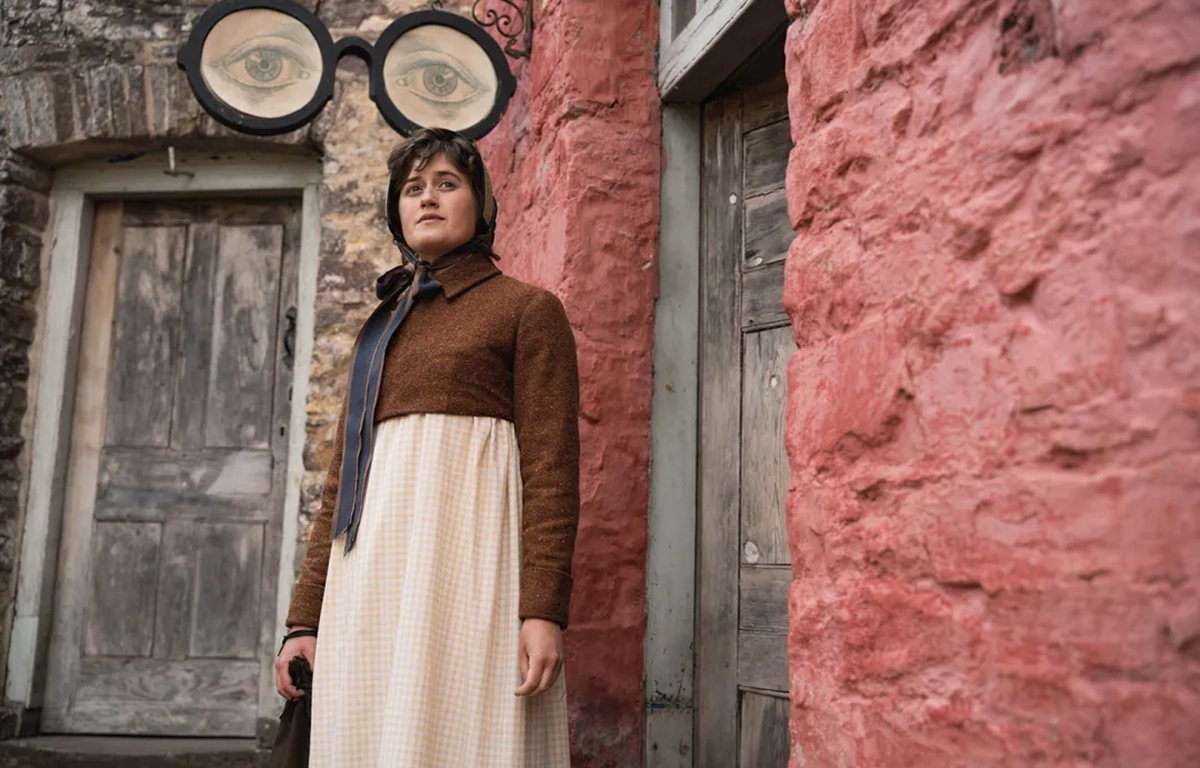
The dramatization of Janice Hadlow’s novel The Other Bennet Sister debuts with the first three episodes to get us started. It features a great cast and attractive on-location settings in Wales, but most importantly, it is a respectful and creative riff on Jane Austen’s Pride & Prejudice.
As Mary, Ella Bruccoleri (Call The Midwife), gives her heart and soul to the role. She’s a fidgety nail-biter who doesn’t pal around with her sisters. She is a serious musician, has pretensions to learning, dabbles in Mr. Bennet’s extensive library, and enjoys sensational crime pamphlets on the sly. But Austen did not write Mary as a sympathetic character. She is the odd one out of her family, awkward, clumsy, and pedantic, and lacking the social skills of her four sisters. She’s the classic middle child, the one destined to stay home for decades and look after her aging parents.
Mrs. Bennet (Ruth Jones), who makes no secret of finding her middle daughter a nuisance, shoving Mary out of the way as she rushes to make the pronouncement to Mr. Bennet (delightfully portrayed by Richard E Grant) that Netherfield is let at last. An influx of husband material into the neighborhood means her daughters stand a chance of advantageous marriage. “Four good marriages will have to do,” Mrs. Bennet sighs. Mary is considered unmarriageable; her task is to stay out of the way and avoid making trouble.
Episode 1
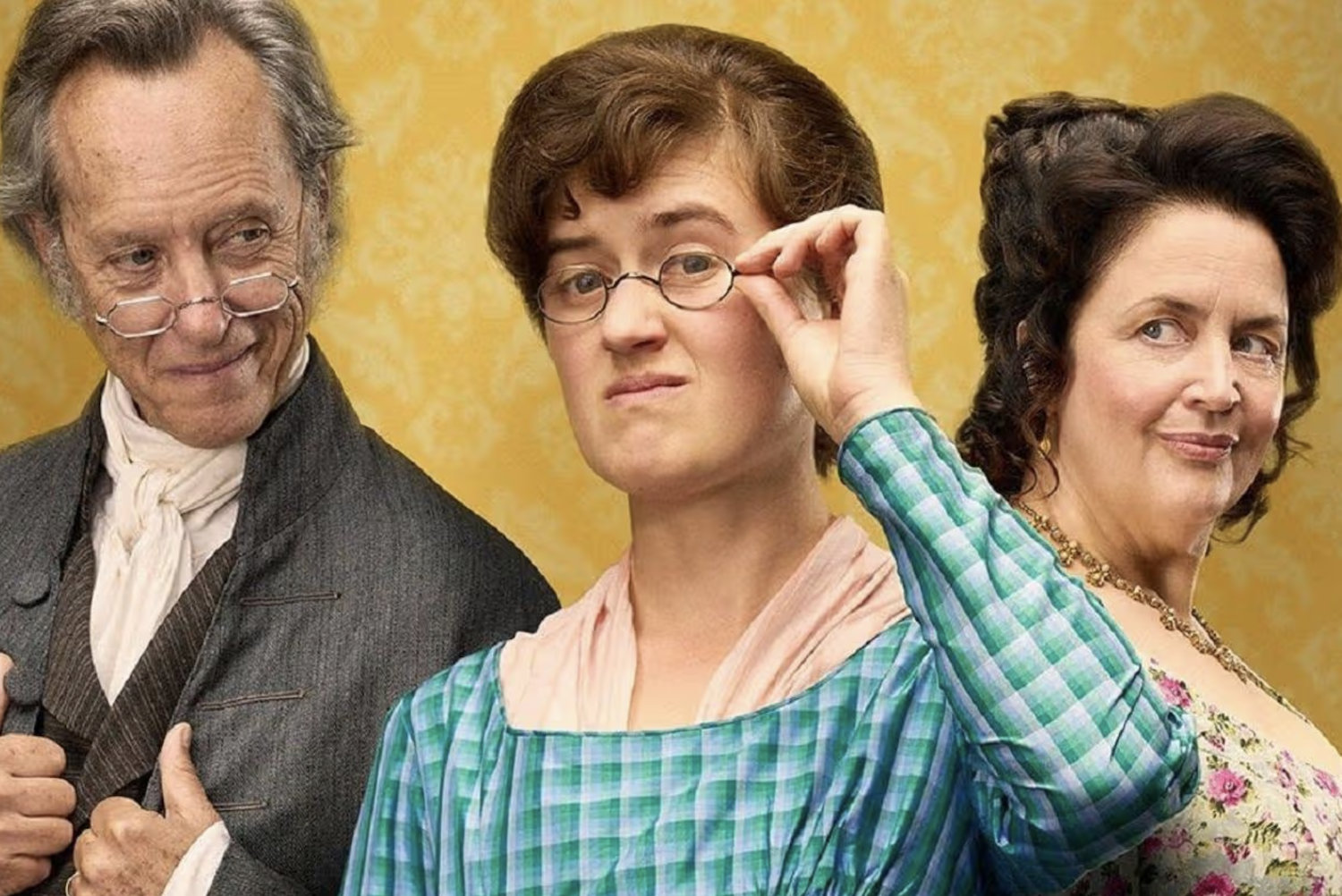
“I told you no one would marry you if you wore spectacles.” (Mrs. Bennet to Mary.)can
The long-term problem for the Bennets is that their home, Longbourn, is only temporarily theirs. The property is entailed, meaning that after Mr. Bennet’s death, it will be inherited by the closest male heir. Despite the early passionate days of their marriage, shown in a humorous G-rated montage of bare arms, hands, and bedsheets, Mrs. Bennet produced only girls, and there’s not enough cash around to provide dowries. (The blame for that lies squarely with Mr. Bennet, whose excuse is “I’ll be dead anyway.”)
Someone, probably Mr. Bennet, arranges for Mary to get her eyesight tested. Hill, the housekeeper (Lucy Briers, who played Mary in the 1995 Pride & Prejudice), accompanies her to the optician. (It was considered a courtesy by their employers to address upper servants by last name only, regardless of gender.) The friendly optician John Sparrow (Aaron Gill) fits her with eyeglasses and, having no preconceptions of Mary as the family failure, treats her like a human being, chatting about the upcoming assembly in Meryton, and explaining how eyeglasses work.
Returning home across the fields, Mary is exasperated by her sisters’ chatter about the assembly and claims they are nasty, sweaty affairs. She steps in a cowpat and swears. At dinner, she and her new eyeglasses briefly become the center of attention, and while her father approves, her mother is appalled. Hill, who has a soft spot for Mary, offers to help her find a dress and suggests she might be happier away from her family. Her sisters borrow Mary’s books (without asking permission) to stand on to better view their reflections in the mirror, and judging from the murky bathwater, she is last in line to bathe.
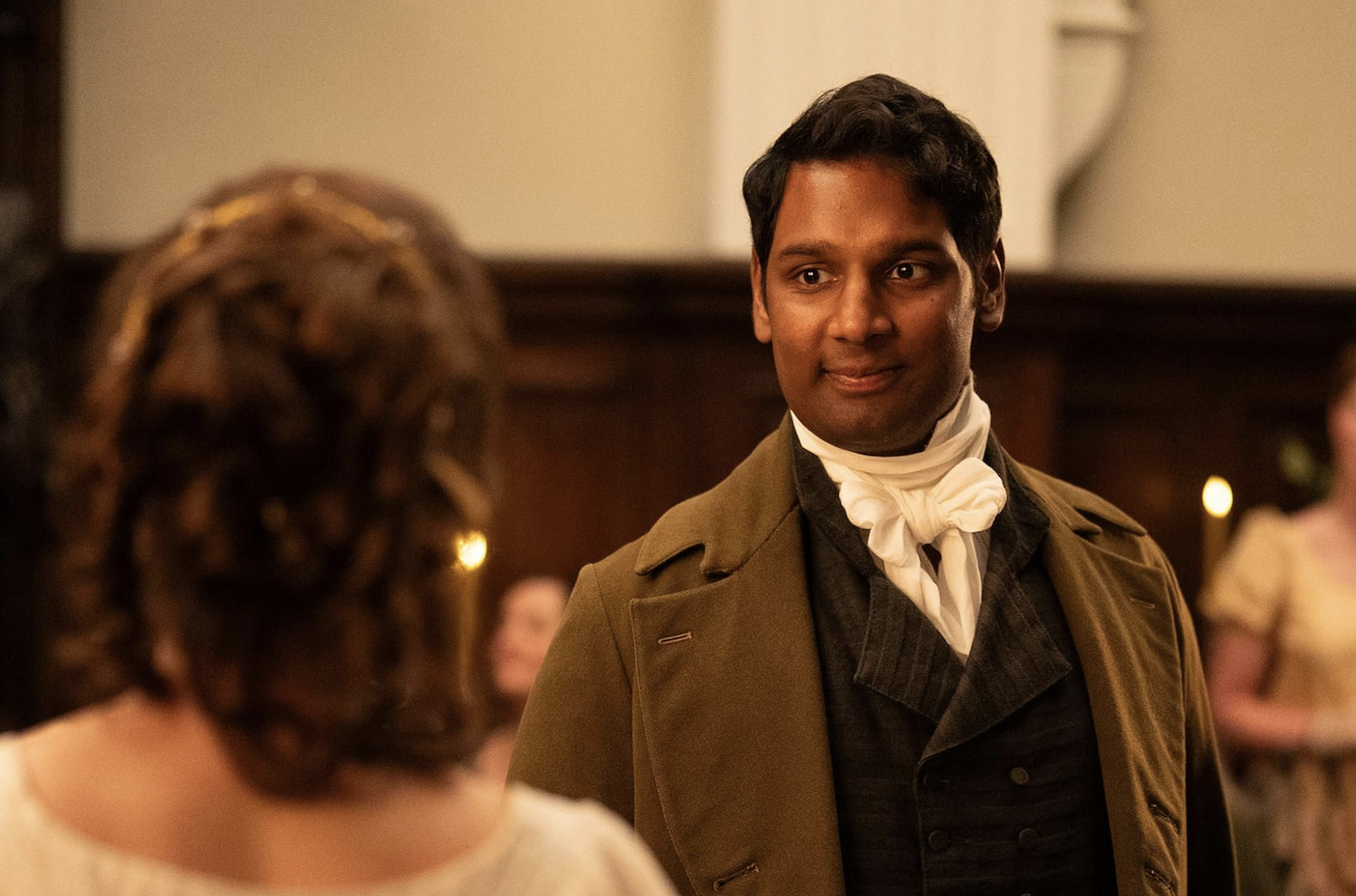
The Netherfield party enters the assembly like royalty, looking down their rich and/or aristocratic noses at the crowd gathered there. Mary is distracted and pleased by the arrival of John Sparrow and agrees to dance with him. He asks her for book recommendations, and she suggests historian Macauley, but he admits he prefers science and shares his secret ambition to study medicine in London. They enjoy a second dance, and Mary would happily continue as his partner, but when he leaves to fetch them refreshments, Mrs. Bennet forbids her to dance with him again. Three consecutive dances have implications of serious intent, and he is a shopkeeper’s son. Does she want to ruin her sisters’ chances?
Mary, shamed and angry, tells John that she cannot dance with him again. But her life is about to change.
Episode 2
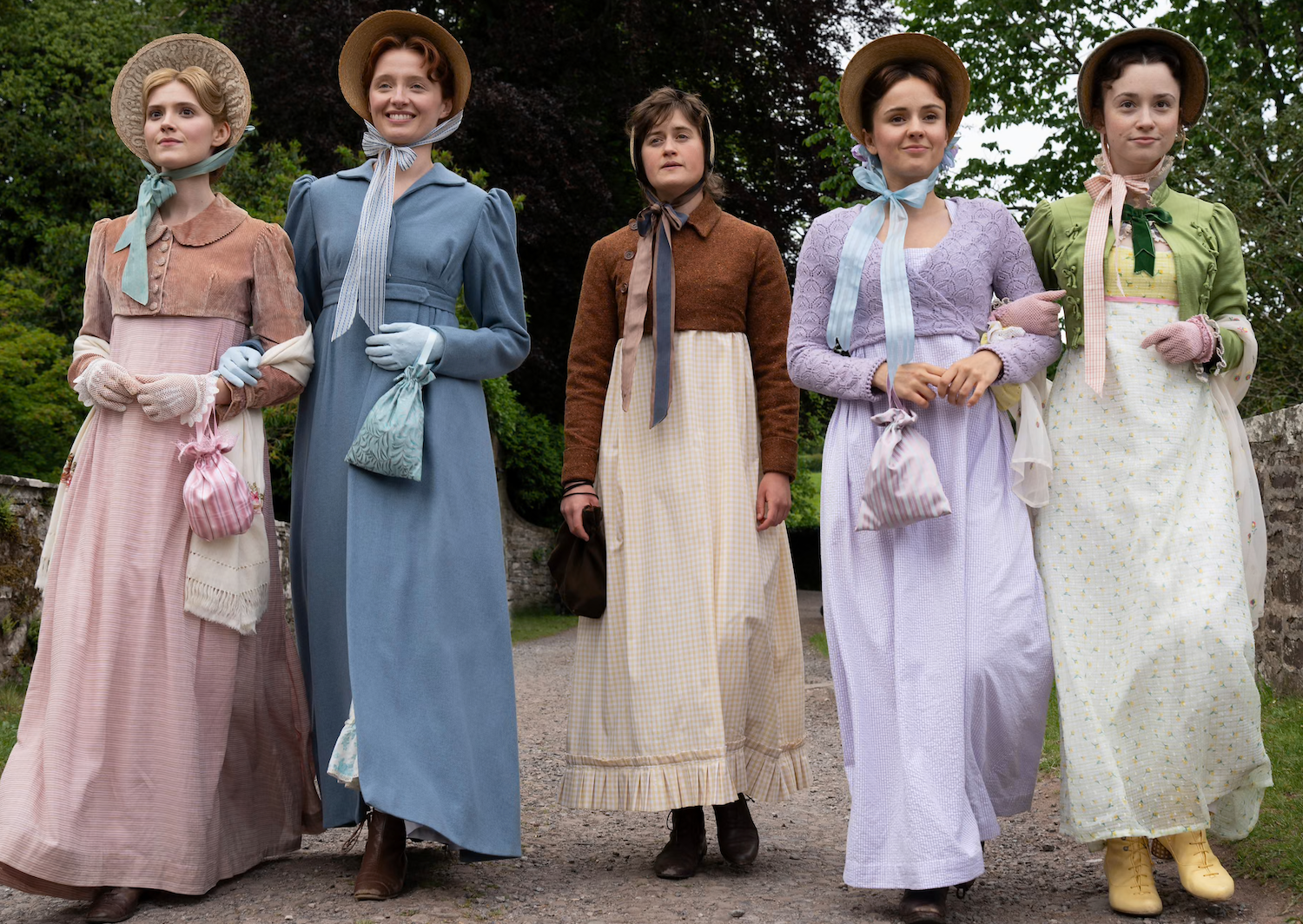
“I cannot pass the man around the family like a sherry trifle.” (Mrs. Bennet on Mr. Collins).
Two exciting pieces of news put the Bennets all a-twitter. First, a letter from Mr. Collins (Ryan Sampson), the obscure cousin who will inherit Longbourn, announcing his visit. Better yet, a major social event – a ball! – is planned at Netherfield, which Mary’s aunt and uncle, the Gardiners from London, will also attend. Mrs. Bennet, having already decided that Jane is to be matched with Bingley, sets her sights on Mr. Collins for Lizzie. As sharp-witted neighbor Charlotte Lucas (Anna Fenton-Garvey) tells Mary, it’s either marriage or misery
(This is a departure from Austen, who paired Lizzie and Charlotte as best friends.)
Mr. Collins impresses everyone with his idiocy, and Mrs. Bennet blatantly brings up the family’s financial problems. Mary enjoys a brief moment when it’s discovered she is the only Bennet sister who has read Fordyce’s Sermons, a 1776 conduct manual for young women that many, including radical Mary Wollstonecraft, despised.
Mary plays the piano, and Mr. Collins praises her performance, but Mrs. Bennet orders Lizzie to take Mr. Collins around the garden. She doesn’t want Mary encouraging Mr. Collins, but can’t see that there is absolutely no way Lizzie would consider him as a suitor. Heartened by Mr. Collins’ praise and the possibility of new experiences, Mary decides to play and sing at the Netherfield ball. Hill suggests she only play, but Mary gathers her music and prepares to wow the audience. Lizzy gives her this advice: “I beg you, do not make it long.”
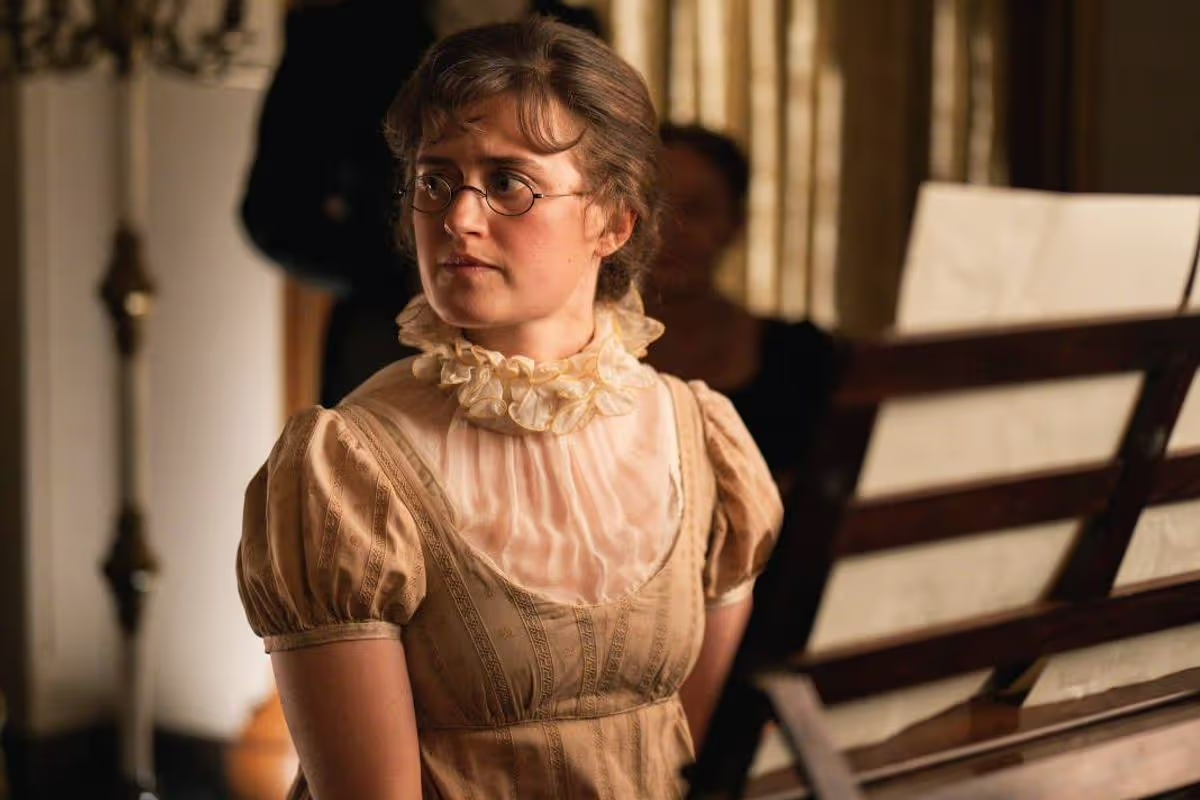
Both Lizzy and Hill were right – Mary can play, but her singing is, well, not as good. Mrs. Gardiner (Indira Varma) speaks kindly to Mary about her performance, but Lizzie is angry and mortified. Her plain, boring sister embarrassed her in full view of Mr. Darcy! Mary responds: “You always get what you want without needing to try, whereas I try … and it’s always for nothing.” Surprisingly, this plain speaking has its effect: an apology and a hug from Lizzie.
Lydia (Grace Hogg-Robinson) and Kitty (Molly Wright) tell Mary with great glee that Mr. Collins withdrew his proposal to Lizzie, and Mary realizes with alarm that possibly she’s next in line to become Mrs. Collins. But Mr. Collins has taken refuge with Charlotte’s family, where a bizarre courtship has developed in days, if not hours. To Mrs. Bennet’s chagrin, Sir William Lucas (Sean Carlsen) visits to display his future son-in-law. Mr. Collins, much shorter than his betrothed, is unnervingly frisky around Charlotte, who towers over him. Mary gives way to despair. She’s lost her friend, Lizzie and Jane found their true loves, and she has no escape from the loveless world their parents have created. Could she have done anything differently? Books are no longer a comfort to her. Then, the unthinkable happens.
Mr. Bennet dies. His wife and daughters have nothing except each other and only genteel poverty to look forward to (if they’re lucky).
Episode 3
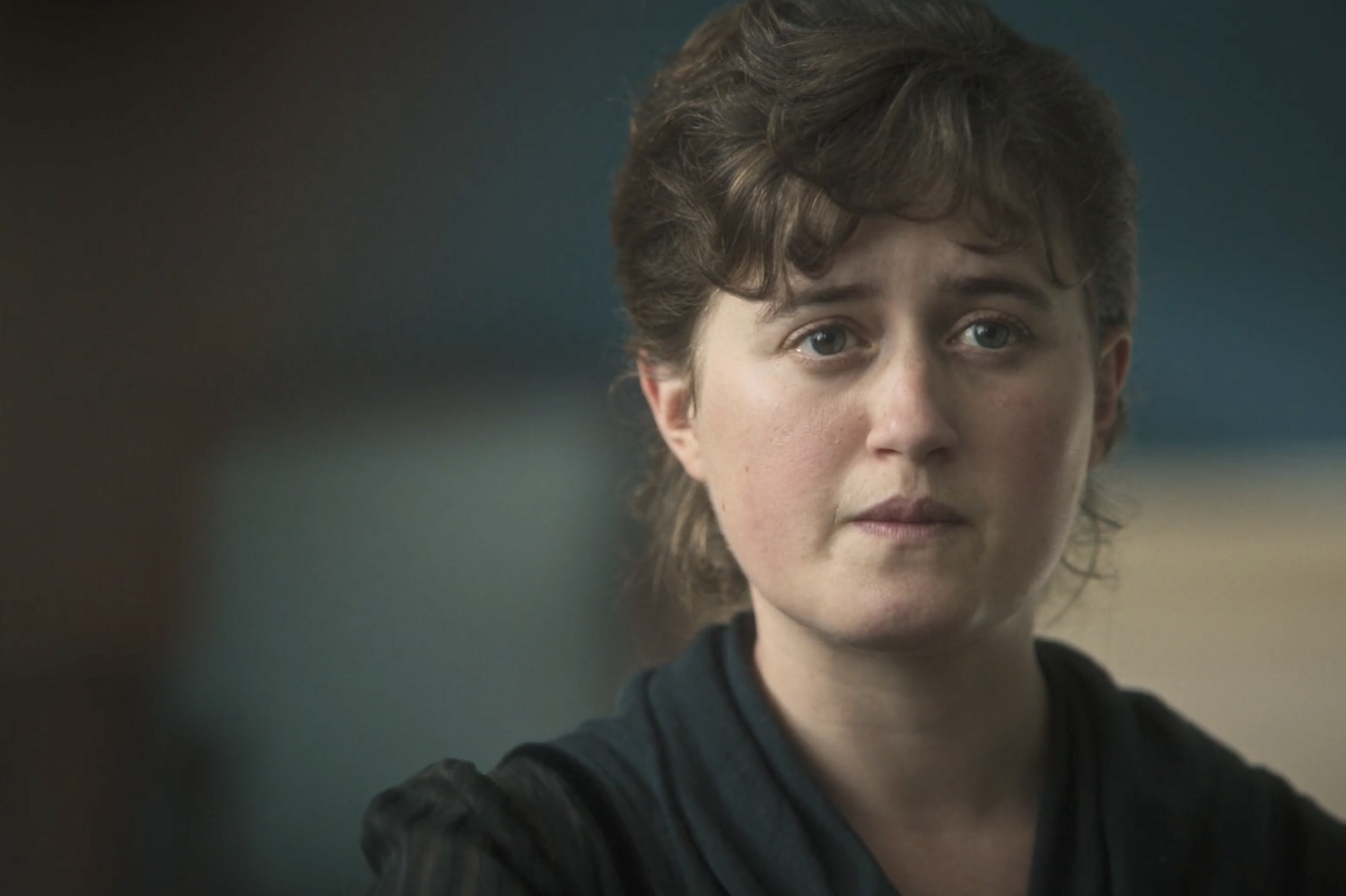
“If my options in life really were marriage or misery, it looked very much as though I were destined for misery.”
The Bennet women are in mourning, and surprise – Mr. Collins and Charlotte drop by to check out the real estate and furniture. It’s all his now, and he can generously offer them two weeks to pack. Jane, the kindest of the sisters, invites her mother and Mary to live with her and Bingley, and Mrs. Bennet cheers slightly at the prospect of living in luxury with many servants at her beck and call, even if Caroline Bingley is a frequent guest. Mary hears for the first time that the Gardiners have offered her position as governess to the Gardiner children, even sending a carriage for her. Hill affectionately sees her off on her journey to London, and Mary perks up at the glimpses of city life.
The Gardiners, sensible, friendly, and sociable, are delighted to have Mary as their guest, and she pitches in on her first lesson with the children, Marianne (Roisin Bhalla), George (Reggie Absolom), and Rebecca (Jasmine Sharp). Mary reads aloud from a current favorite of hers, Hutton’s Theory of the Earth, but unfortunately, the children do not find it nearly as fascinating as she does. George falls asleep, and a little later, Rebecca vanishes.
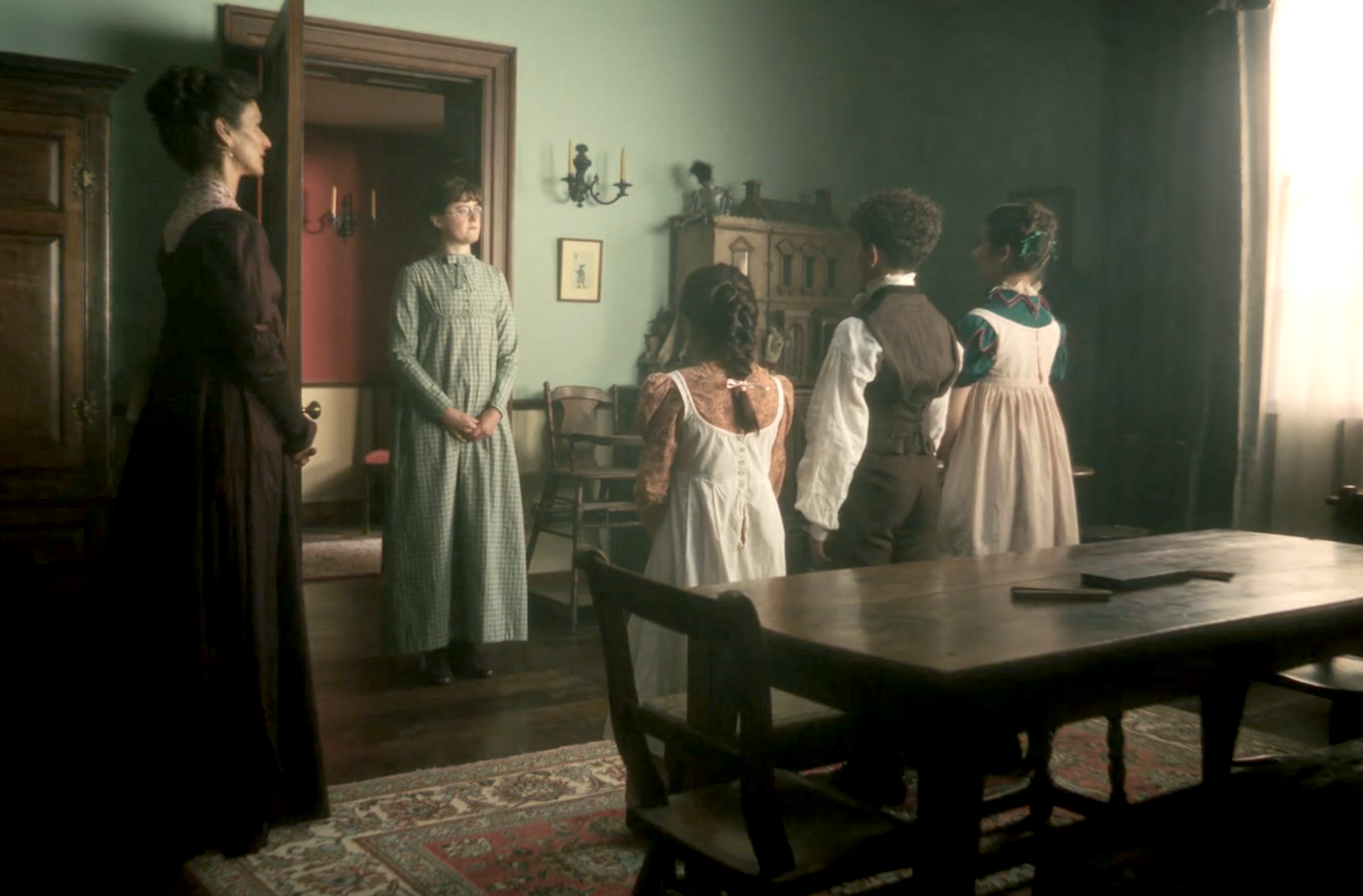
The Gardiners have a visitor, lawyer Tom Hayward (Dónal Finn), a favorite with the children, and a former lodger with the family. He summons them to dinner, and they hear giggles coming from a large chest in the room where Rebecca is hiding. Over dinner, the conversation ranges from Jacobinism to smallpox. Mr. Gardiner (Richard Coyle) proposes a game played with sticks and hoops, The Game of Graces (also called The Flying Circle). Mary observes the others play, and enjoys the delightful sight of Tom removing his coat and rolling up his shirtsleeves.
Later that night, as Mary tries to create a lesson plan, Mrs. Gardiner comes to her room to announce that they will be attending more social events now that the weather is warmer, and Mary must participate. She needs suitable clothing, and Mrs. Gardiner proposes a visit to the haberdashers the next day. Mary only agrees after discovering she has a dress allowance as part of her wages. Mrs. Gardiner encourages her to pick fabrics she likes. Tom, who saw them from the street, joins the shopping trip to help Mary choose. They laugh together over the fanciful names of the colors. “Choose the colors that make one feel most like oneself,” he advises.
Back at the house on Gracechurch Street, Mary attempts to throw a hoop with a pair of sticks and hits Tom as he enters the room. They both laugh and decide to play, and yes, it’s shirtsleeves time again. He’s bringing a book of poetry for Mrs. Gardiner, and Mary has to admit she’s tried Byron, Cowper, and Dryden, “… but it’s all just words.”
“Although the law is my business, poetry is my passion,” Tom admits. She prefers history and geology, although she enjoys poetry when it is “mercifully short.” Poetry will open her heart, he tells her, and at that moment the Gardiners return.
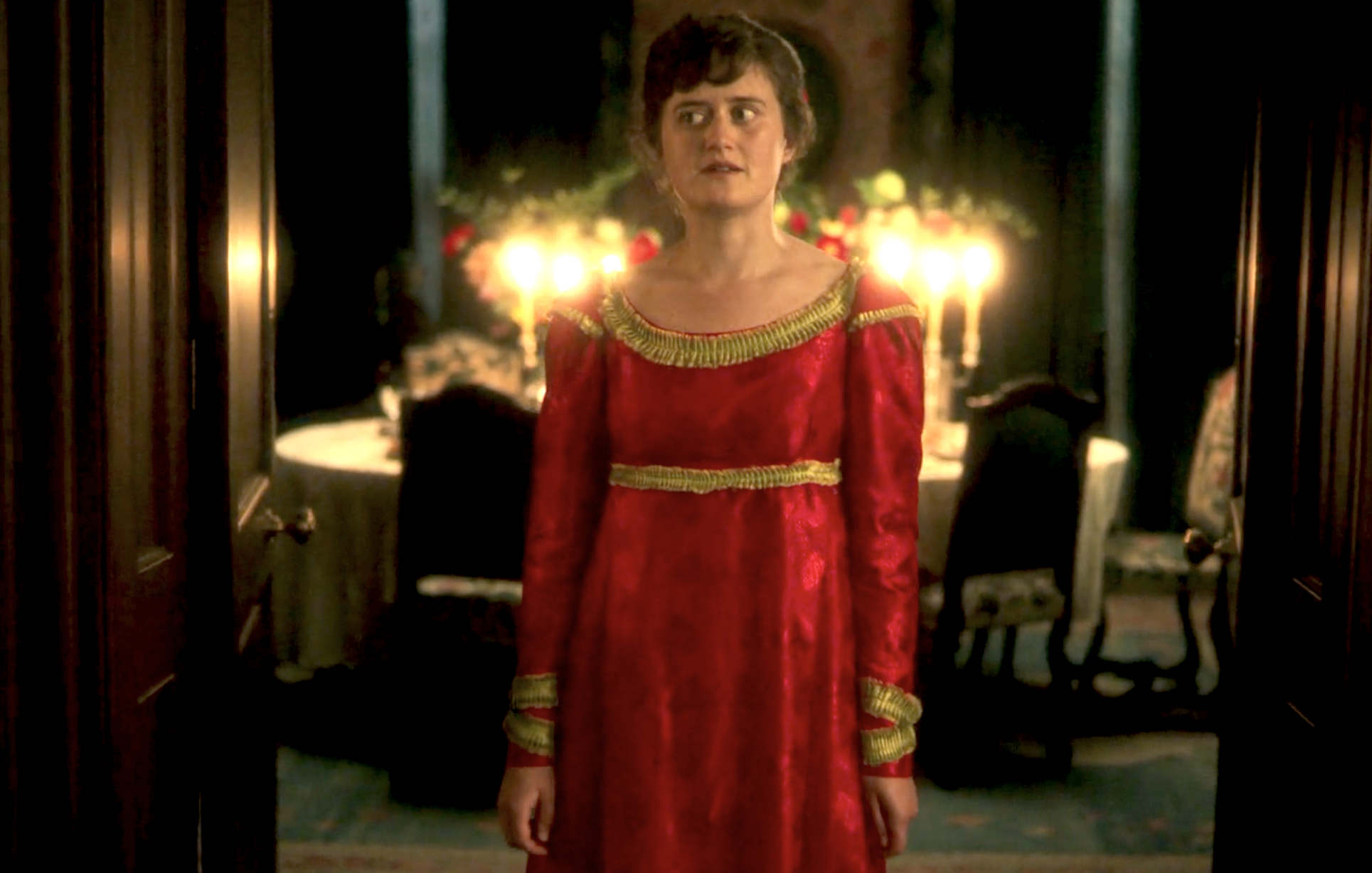
She’s still reading the book the next day as they prepare for the soiree, where Mary wears her new red dress. Miss Baxter (Varada Sethu) introduces herself to Mary after seeing her tell a lurking guest that someone her family knew ate almonds, as he is doing, and died of them. He looks alarmed and leaves. Miss Baxter is most entertained and decides that if she wants to get rid of someone at a polite event, she’ll follow Mary’s example. Miss Baxter admires Mary’s dress, although Mary fears she may look too bold – but this is London, which is the place to be bold. Mary has made a friend.
Miss Baxter is also anxious to introduce Mary to a special gentleman, who (surprise surprise) turns out to be Tom. Miss Baxter tells Mary that she and Tom met three years ago and hope to marry next spring. Things don’t always go exactly as you’d like, Mary reflects, but then the children tug her away to dance. “I had made friends, and that was enough.”
The Other Bennet Sister continues with weekly episodes on BritBox on Wednesdays through June 24, 2026.
 The Other Bennet Sister


Sign up for full access to Telly Visions' recaps and reviews!