Louise Kennedy Talks Bringing ‘Trespasses’ to Life Onscreen
Trespasses author Louise Kennedy talks about seeing her work brought to life onscreen.

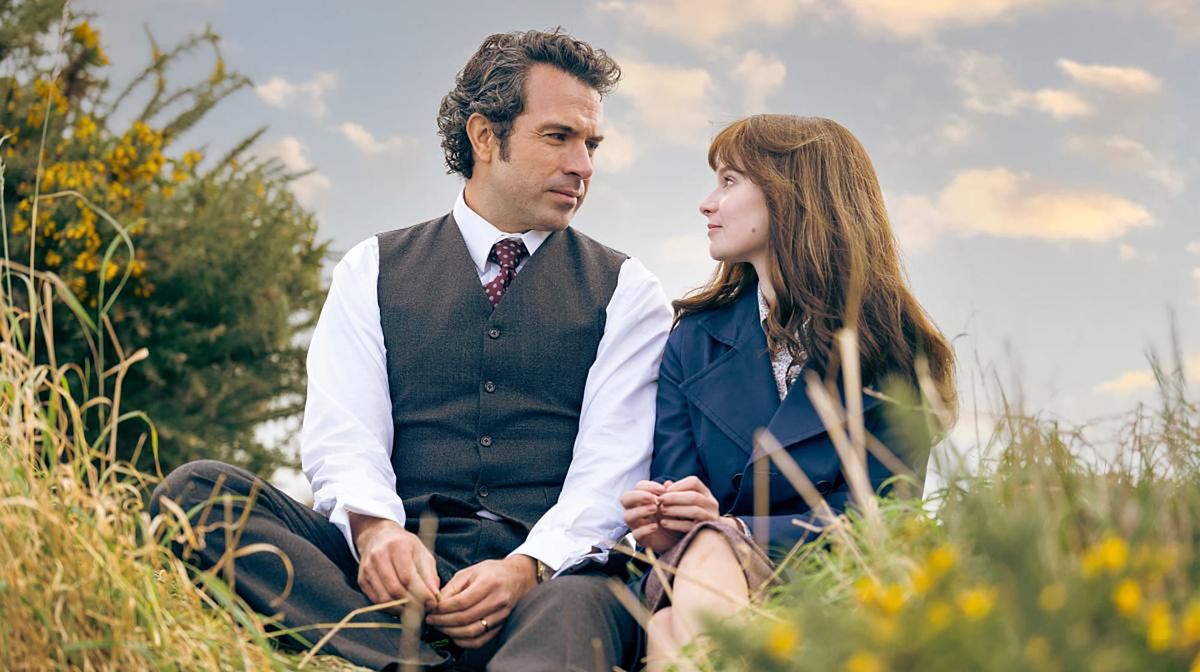
Trespasses isn’t an easy series to watch. Set in 1970s Belfast, the four-part drama follows a forbidden romance between a Catholic schoolteacher and an older, married Protestant barrister. But because their love story unfolds against the backdrop of the decades-long violence known as The Troubles, the series is about something much bigger than their relationship. Based on the 2022 novel of the same name, Trespasses stars Lola Petticrew (Say Nothing) and Tom Cullen (The Gold) as Cushla Lavery and Michael Agnew, two people from very different backgrounds and religious faiths. But what they have in common is the world they live in: One that’s saturated with violence.
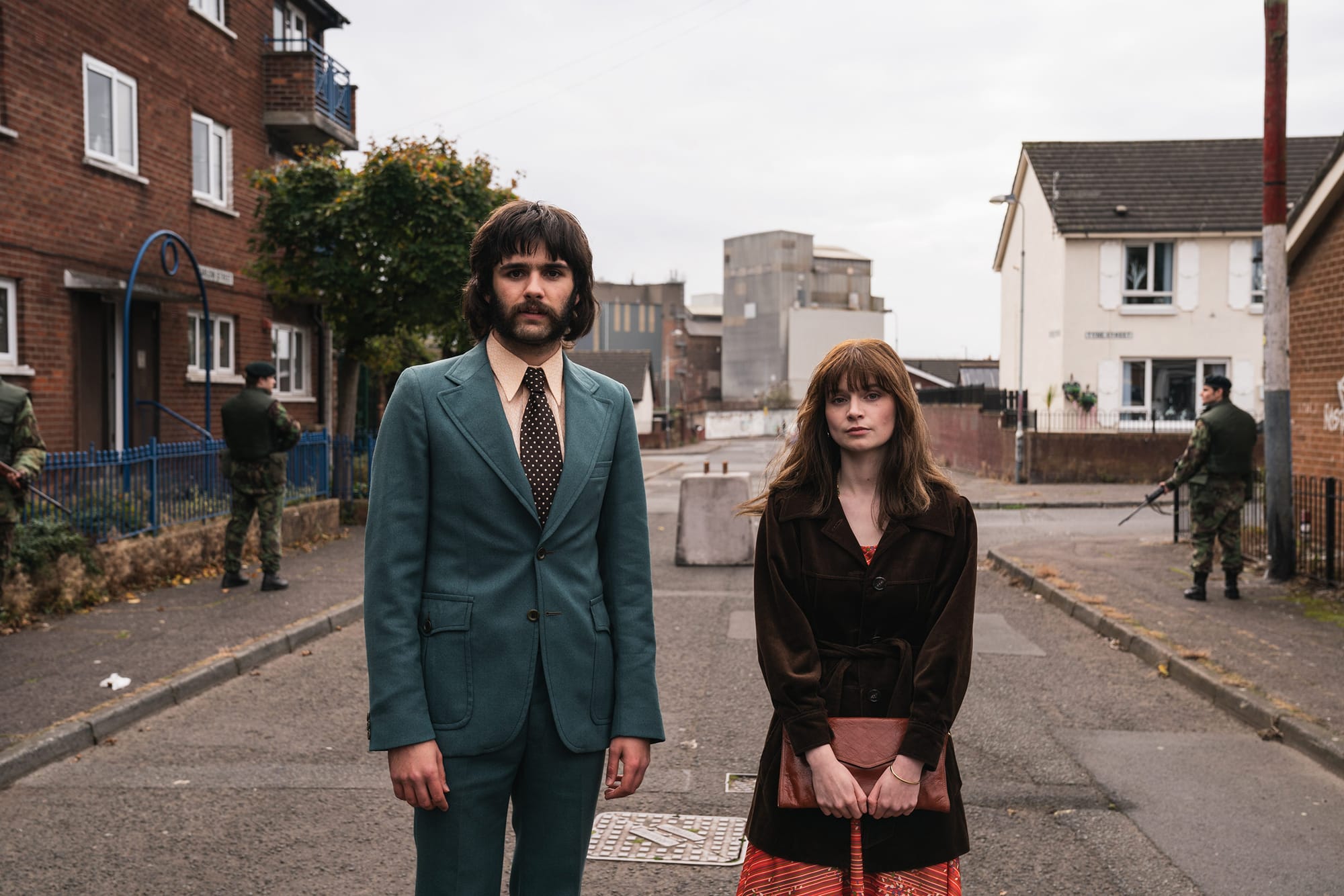
From nightly news reports of bombings, attacks, and arrests to the crumbled remains of destroyed buildings, the visible effects of the danger they all live in are evident. But the tensions go well beyond physical destruction. Catholic schoolchildren are regularly reminded about the dangers of associating with “the enemy” (a.k.a. Protestants); checkpoints, surveillance, and nosy neighbors are everywhere; and anti-Catholic slurs are graffitied on walls in loyalist neighborhoods. Trespasses is so compelling because it forthrightly addresses the human cost of life in such a war zone, where no one, no matter how much they love each other, escapes unscathed.
We had the chance to chat with author Louise Kennedy, whose debut novel was the basis for Trespasses, about seeing her work brought to life onscreen, her favorite moment from the series, and what she hopes audiences take away from Cushla’s story.
(The following interview has been edited for length and clarity.)
Telly Visions: Louise, Trespasses was your debut novel, and the series just wrapped up its run here in the U.S. As you were writing it, or maybe after it was first published, did you think about what it might look like if it were adapted for a different medium?
Louise Kennedy: No, I didn’t. In fact, when I wrote the book’s first draft, I didn’t even have a publisher. I worked in a public library, did a bit of cooking, and mostly wrote short stories. Then I got sick, I got diagnosed with melanoma, and I had some surgery, so I was off work for around three months. So to avoid thinking about whether I might be dying or not, I decided to try and write a thousand words a day. Keep pushing forward every day, not look back at whatever mad rubbish I’d written the previous day, just keep writing. The first draft of Trespasses came out of that. While I didn’t have a publisher, I think there was great freedom in that.
The book was ultimately bought at an auction based on a sample of three or four chapters and a synopsis, and pretty quickly Amanda Posey, who ended up being the show’s producer, got to read that before the rest [of the book] was even finished. But things being auctioned [for development] and things actually getting made are very far apart. Lots of things get auctioned, and usually nothing ever happens. I didn’t really know much about the world of books and TV, so I just thought if this actually happened, it would be a huge bonus.
There were so many reasons why it might never have happened, so I just did whatever I wanted. But I think actually you have to do that anyway. I’ve just written another book, and I had to get all that kind of thing out of my mind, because trying to write while keeping an eye on an adaptation or something… I just think that would be terrible.
TV: Writing for the page and writing for the screen are very different talents, I think.
Kennedy: I think they’re really different, especially there’s a thing with TV where it’s just… I guess you’re in this kind of eternal battle with the remote control because people can just switch on to something else like that. So I never wanted to write the script, and honestly, I’m glad I didn’t. I think if I’d had to sit in a room with a group of people who all have their reasons for why they do or don’t want to do things, and talk to them about budgets and, I don’t know, what else, I think I’d have gone mad. So instead I wrote another novel, and I’m happy I did it that way.
I’m so happy they chose Ailbhe Keogan to write the script. From the outset, Amanda wanted to stick as closely to the novel as humanly possible. And every single member of the cast and crew read the book, which is kind of amazing. So they were all fully on board. It was an absolute delight to see them all doing it, just fully embracing the idea of being in 1970s Belfast in every way on set. It was amazing.
TV: The commitment — even though some of the material was quite difficult to watch, let alone how hard it must have been to perform — was very impressive.
Kennedy: They were all just so believable. And there were so many little-known, local actors in Belfast who [were part of the cast]. Conlaoch [Gough-Cunningham], who plays Tommy, was just phenomenal, as was Oisin [Thompson], who plays Gerry.
TV: The little boy who plays Davy was so good.
Kennedy: Daithí [Ó hAragáin]! Just the most gorgeous child, and not in a stagey way. He’s the most delightful wee boy. So just, every bit of it was amazing. To have all of that stuff and then plunk Gillian [Anderson] in the middle of it, that was incredible. It’s a dream. She totally went for it. She’s literally one of the world’s most glamorous women at this point, but she is utterly lacking in vanity when it comes to her work. I was on set, and you should have seen the state of the clothes she was wearing — horrendous. But she was just fully present and in there with all the rest of them. She’s really amazing.
TV: Did you have a favorite performance, a favorite scene that you feel like the show really got right?
Kennedy: I think that the scene that really, really got me was the scene where Cushla and Gerry take the kids to the park because that was totally from my childhood. That was just so beautifully done and really poignant.
TV: It felt very innocent in a show that didn’t have space for a lot of that.
Kennedy: Exactly. And it’s just... kids are kids. Even when they’re completely mad and awful things are going on, they can still swing on a roundabout, pick bluebells, and bicker over their lunches. It’s normal stuff.
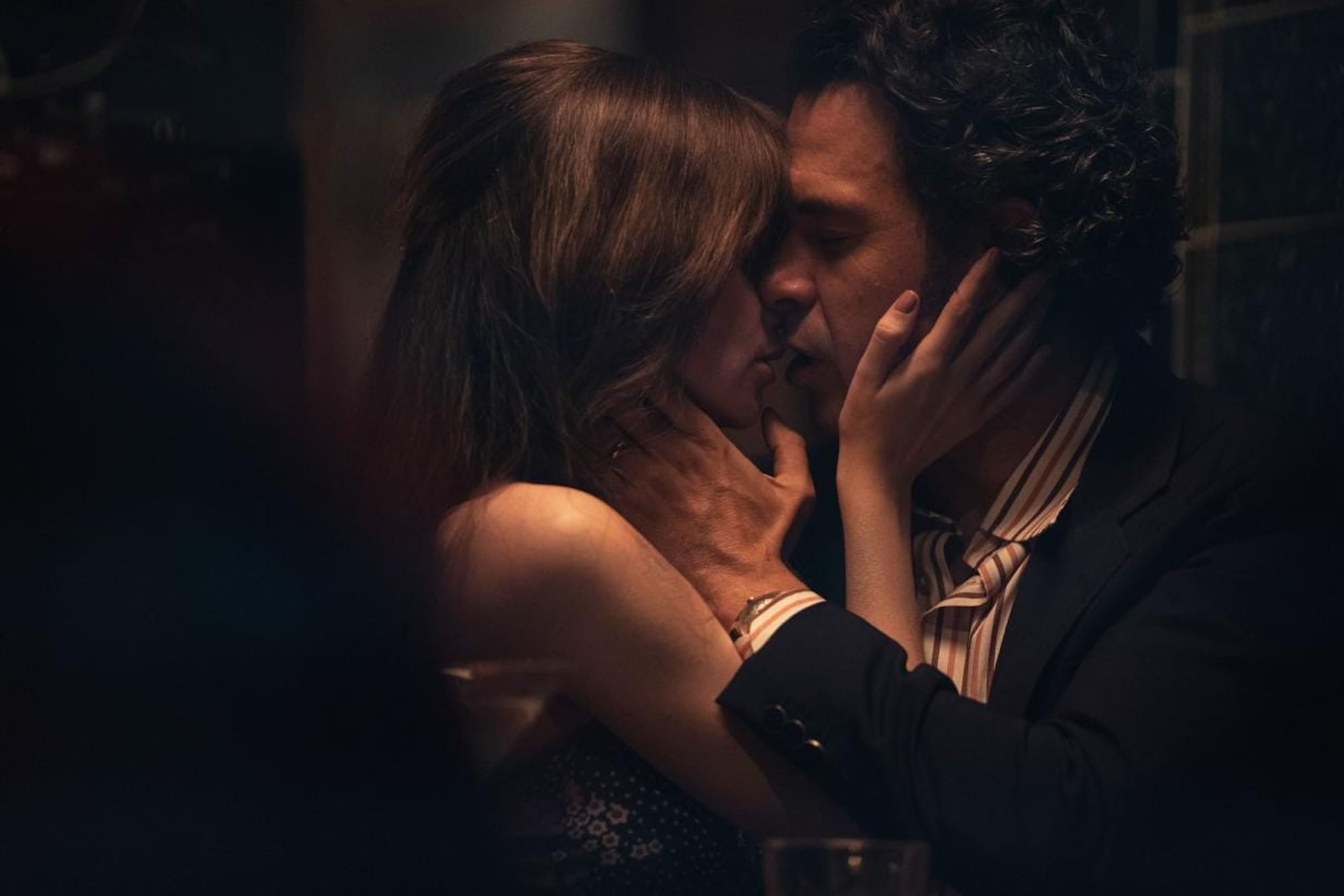
TV: Of course, I’m fascinated by Michael and Cushla, whose relationship is so tragic. But also…I kind of feel like these two aren’t exactly set up for success even without the whole backdrop of violence and terror going on behind them.
Kennedy: I mean, he’s married, so it’s going to be a disaster for them anyway. But then you add in the layers of conflict, class division, and religion… It’s an absolute recipe for disaster, which is kind of what happens. Honestly, I think Tom Cullen [who plays Michael] did such an amazing job. That was a tough gig, and I think he did it beautifully.
TV: That’s a hard character to make sympathetic.
Kennedy: It is, but I just think... I was surprised by some of the responses, honestly. Because in 1975 the word sexism was hardly even used. They used to use the word chauvinism. Chauvinism, maybe because it sounds a bit French, somehow it’s less obnoxious. I just have a few reactions from people, mostly in America, I have to say, young women saying, “Oh, this is so disgusting.” It’s like... It’s 1975.
Also, she’s in her 20s. She’s not 15 or something. What age are women allowed to be when they can decide who they want to sleep with? What age do you have to be to make your own choices? I don’t know.
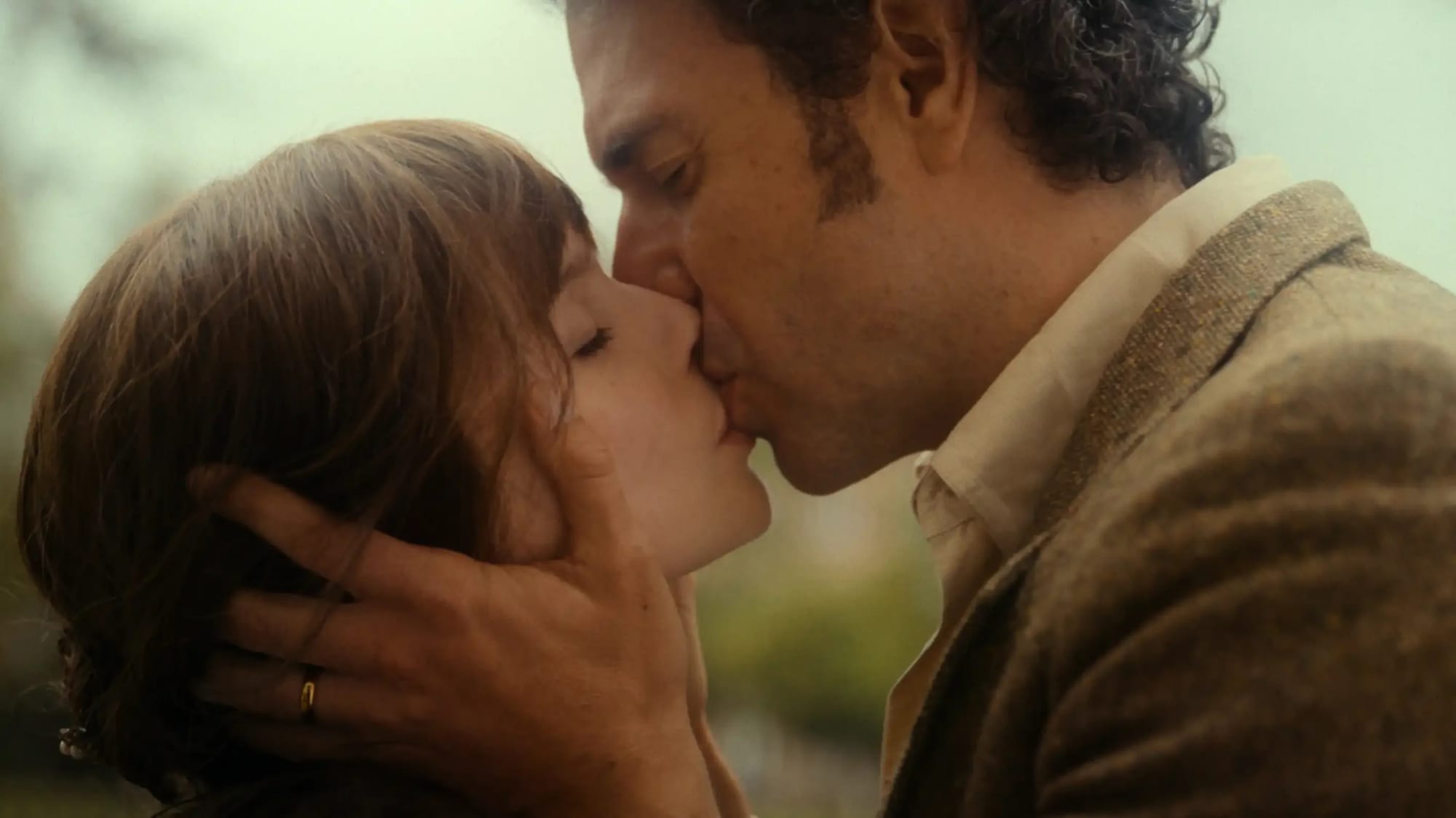
TV: Especially because it doesn’t necessarily feel like the age gap matters in the world of the show. These two have a lot of roadblocks, but I don’t think that’s one of them.
Kennedy: Also, if you look around, who else is she going to sleep with? Jerry, as it turns out, even if she’d been so inclined…. I mean, I think she senses there’s something else going on, and it turns out to be true. She doesn’t have any social life at all. Is she going to start going out with one of the not very high-functioning alcoholics who are sitting up at the bar? Or one of those groping soldiers? I don’t think so. Michael is like this stranger come to town, silhouetted in the doorway, walking into a saloon like it’s the Wild West. Of course, [that sets] her heart fluttering.
...Or maybe I just watched too many Westerns as a kid or something. [laughing]
TV: I love that little coda at the end, where Cushla and Davy run into each other at the museum. I would love to know, do you have any idea of what happened to Cushla in all those intervening years?
Kennedy: The book goes into that. She married a man called Mr. McTiernan, and she lives down south. I think the TV show references that she lives in England or something, but she came back after the Good Friday Agreement. She’s gotten married, and she has kids, maybe grandchildren. Eventually, she built a life for herself, which is nice.
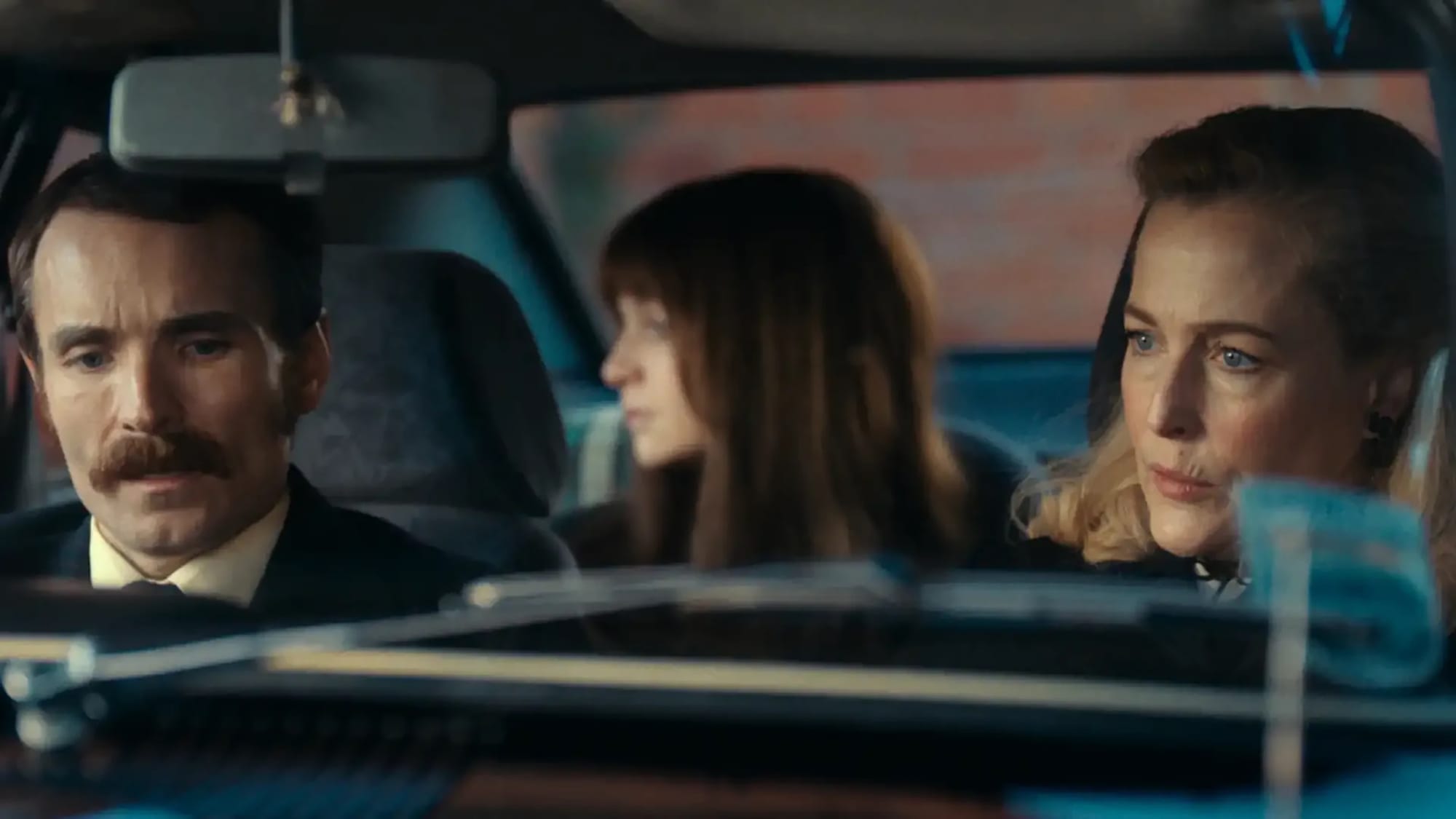
TV: It feels like a happy ending that’s realistic, you know? It’s not like all the problems she faced or things she went through vanished.
Kennedy: I think that’s all you can expect of people who live through conflict. If you manage to keep going and build some sort of life for yourself, then you’re doing okay.
TV: What do you hope that people — particularly those watching in America who may have less context for the story of The Troubles — take away from watching the show and its characters?
Kennedy: I think people think it was just a religious conflict, but it wasn’t simply that. It was political, but I also think that class operates in a strange way in places where things are already divided on other lines. I hope people realize you can’t look at anything without also looking at the idea of class.
For example, if you look at the Catholic community that Cushla’s family belongs to, the McGeowns actually belong to that group as well. But for various reasons, they’re at the bottom of the ladder; I think those intersections are interesting.
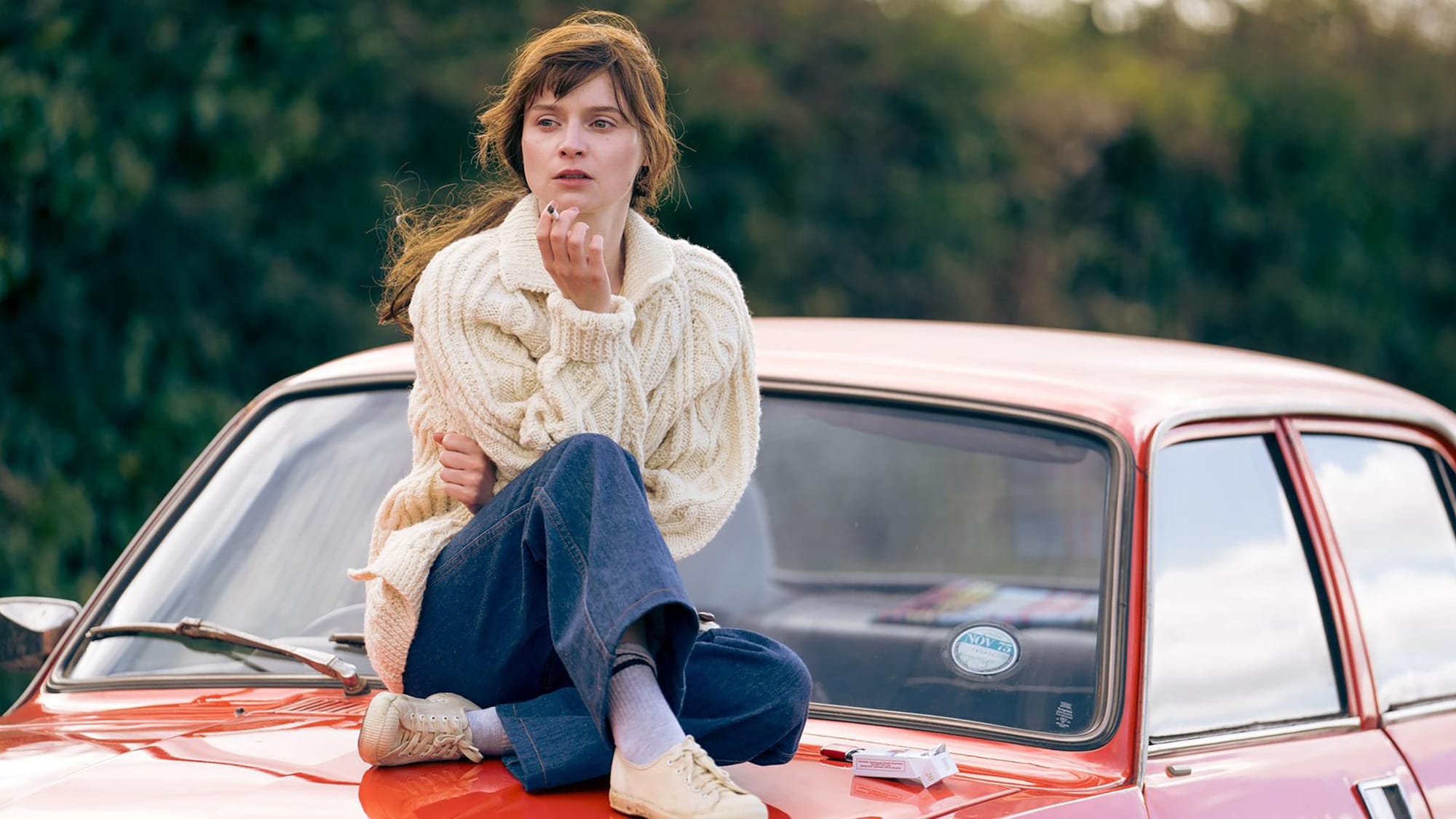
TV: I do think what you were just saying about, for those who were living through conflict in this way, just coming through it feels like a victory is surprisingly important in that regard as well.
Kennedy: People are way more resilient than they think they are. The people who lived in the north of Ireland and who lived through that, they were just ordinary. They were going about their business, and then things went absolutely bananas for 25 or 30 years, and they were powerless to do anything about it.
Most people didn’t harm a hair on anybody else’s head and just tried to live their lives well. But there was a tremendous amount of tension. There were awful losses and an awful lot of grief and resentment. But I think most people managed to come out of it with their humanity intact, and [they didn’t] become bitter over it, and that’s an amazing thing.
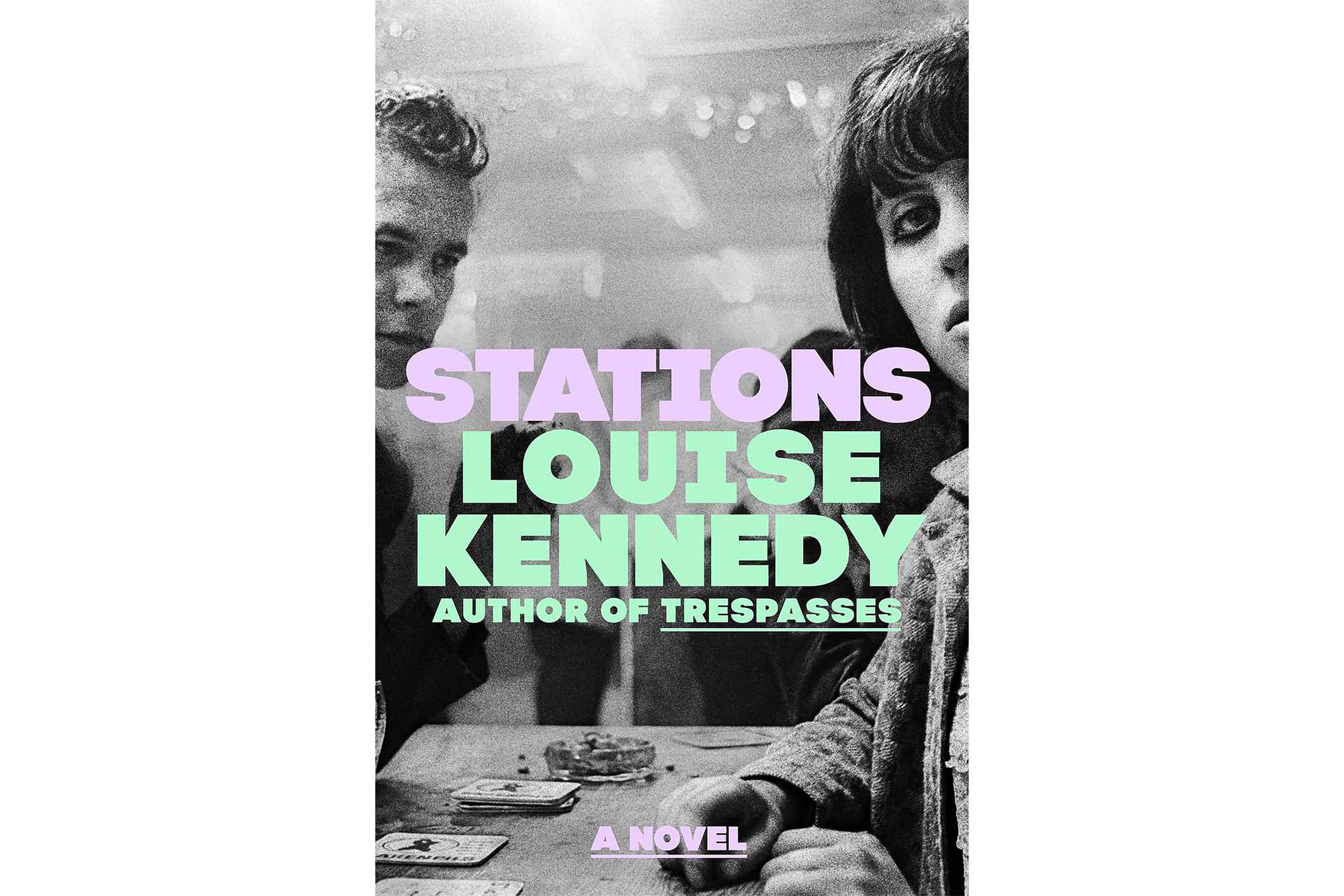
Telly Visions: Tell our readers a little about your new book, which I understand was also inspired by your own youth.
Kennedy: It’s called Stations, and it’s just been published in the U.K.; it’s going to be out in the U.S. in November. It’s about a boy and a girl named Róisín and Red, who meet as teenagers in 1982 in a small town in the dreary midlands of Ireland, and it follows them over the next 25 years.
Róisín’s kind of lonely. She’s a bit difficult, and Red is her only friend, so she invests an awful lot in that. It’s kind of a novelty for Róisín to have a friend, but I think it’s fair to say that happens with mixed results. Their friendship is not always straightforward. But the story follows them to London, where they live in squats, drink a lot, and figure things out. Maybe one day I’m going to write a book where nobody drinks, but I don’t know how.
Trespasses is available to stream on the PBS app, PBS Passport, and the PBS Masterpiece Prime Video Channel.

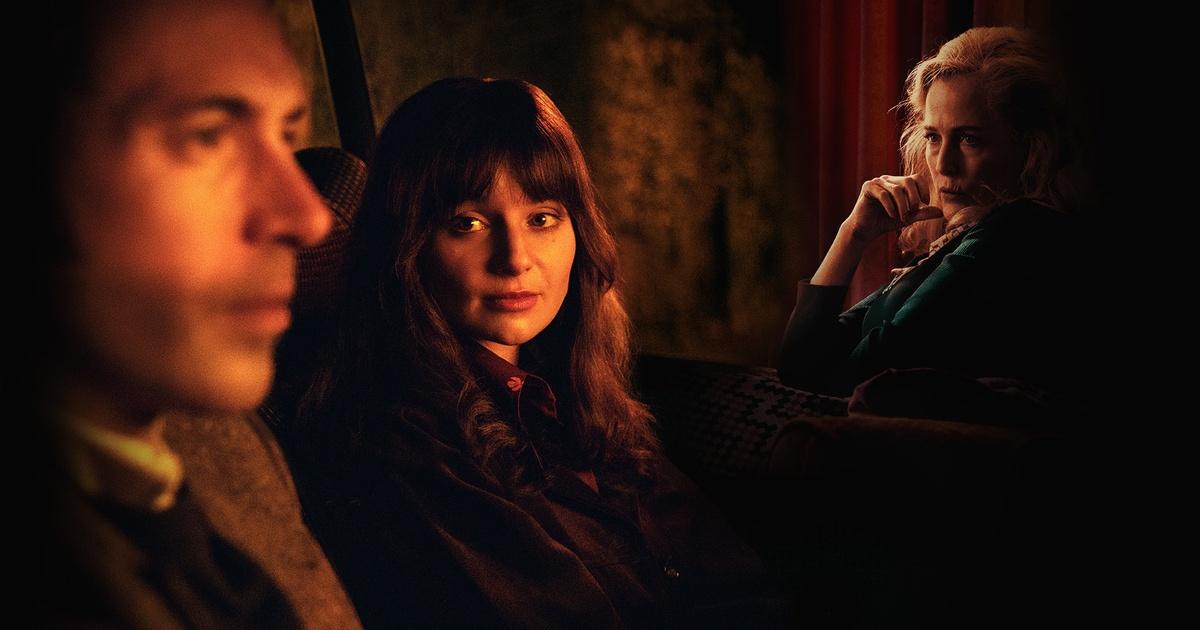
The novel is available wherever books are sold, and Stations will be released in the U.S. on Tuesday, November 3, 2026. Preorder here.
(We occasionally use affiliate links in our posts to help keep cat food on the floor.)